


 $687.50 AUD
 $456.80 AUD
$572.90 AUD
$456.80 AUD
$572.90 AUD $149.00 AUD
$199.00 AUD
$149.00 AUD
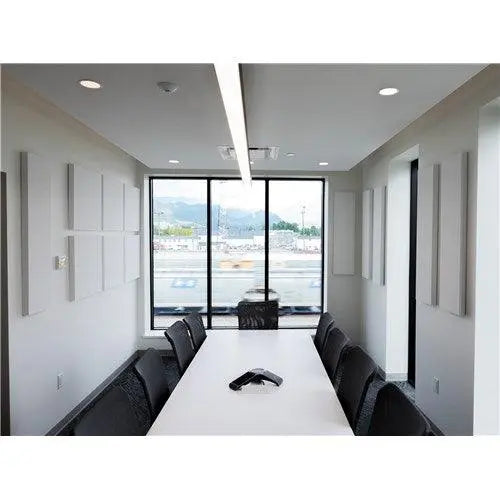
$199.00 AUDAcoustic sound panels control the reflections that make a room sound boxy, cluttered and hard to mix in. They do not block noise from getting in or out — they change how sound behaves once it is already in the room, which is what makes a recording sound like the source rather than the space around it.
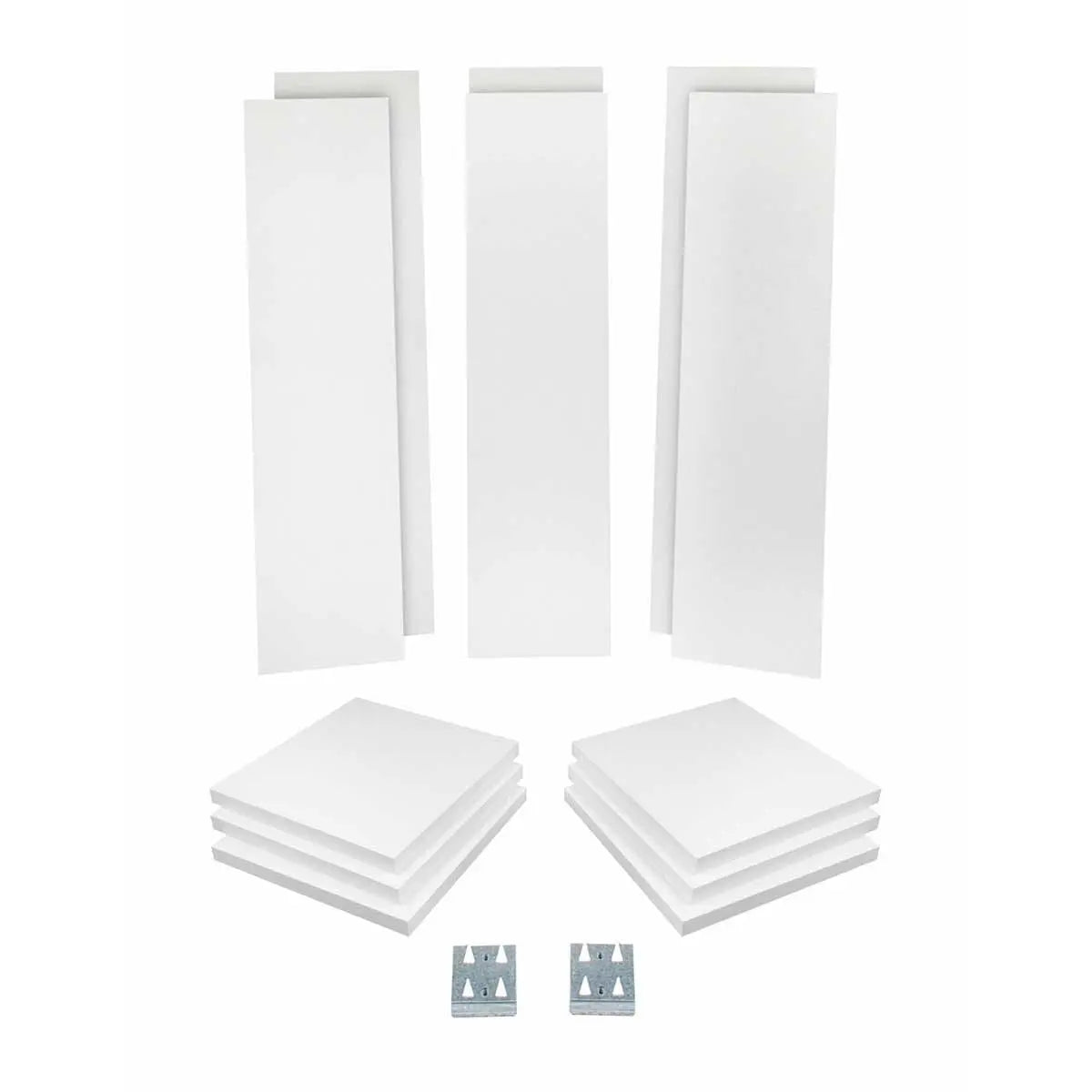
We stock Primacoustic and Sonitus treatment for home studios, commercial rooms, podcast and streaming spaces, and offices: broadband absorbers, bass traps, ceiling clouds, diffusers, stackable gobos and complete room kits. Everything ships Australia-wide, and if you tell us your room dimensions we will tell you what you actually need rather than what fills a cart.
The honest answer is fewer than most people are sold, and placed better. As a working rule, aim to treat 15–25% of your total wall and ceiling surface area for a mixing or recording room. Below 15% you will hear very little difference. Above about 30% in a small room the space starts to sound dead and unpleasant to work in.
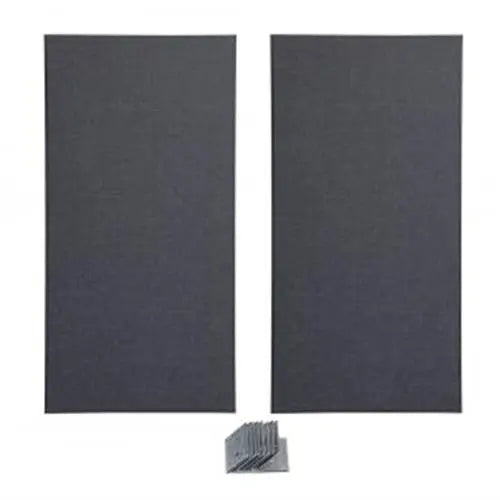
A worked example. A typical Australian bedroom studio at 3m × 4m with a 2.4m ceiling has roughly 34m² of wall and 12m² of ceiling, so about 46m² of treatable surface. Twenty percent of that is a little over 9m². A standard 610mm × 1219mm broadband absorber covers 0.74m², so you are looking at twelve to fourteen panels — plus corner bass trapping, which is counted separately and matters more than any of them.
If you are working to a budget, spend it in this order: corners first, then first reflection points, then the ceiling, then the rear wall. A room with four good bass traps and four well-placed absorbers will outperform a room with twenty panels scattered evenly across the walls.
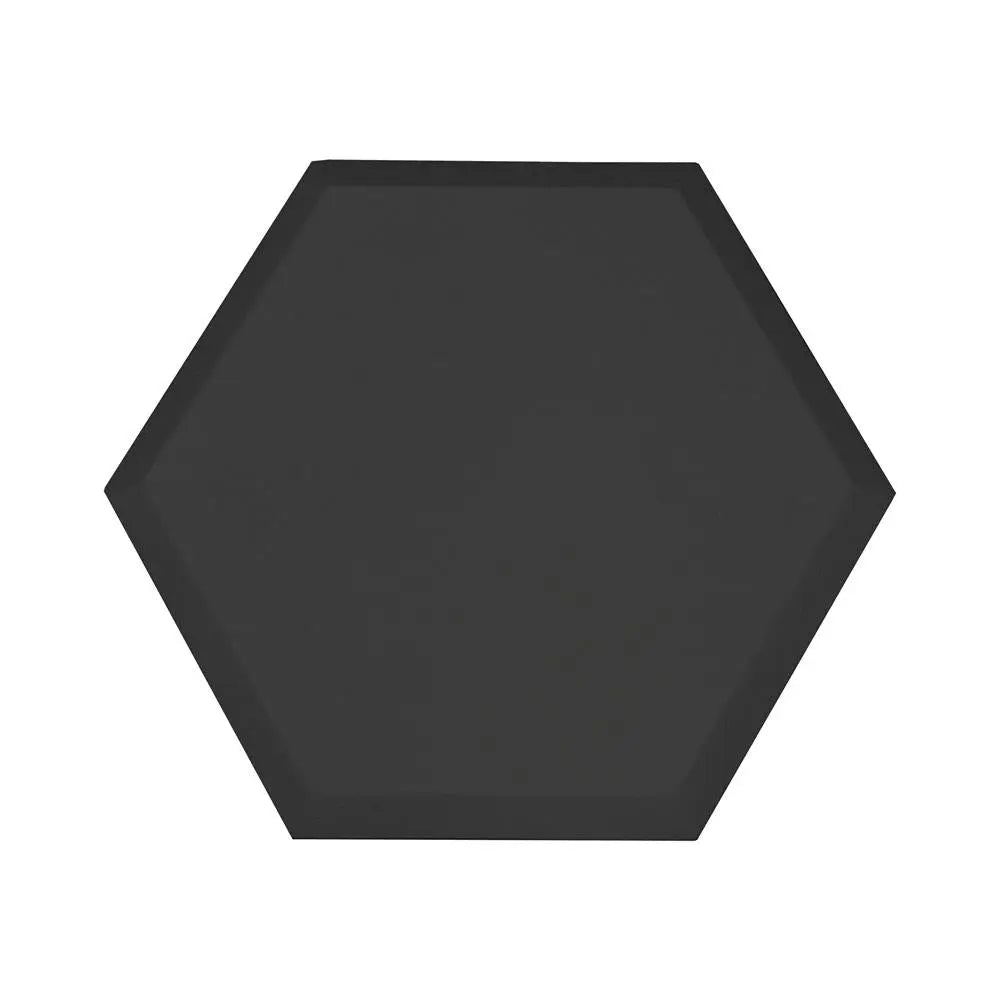
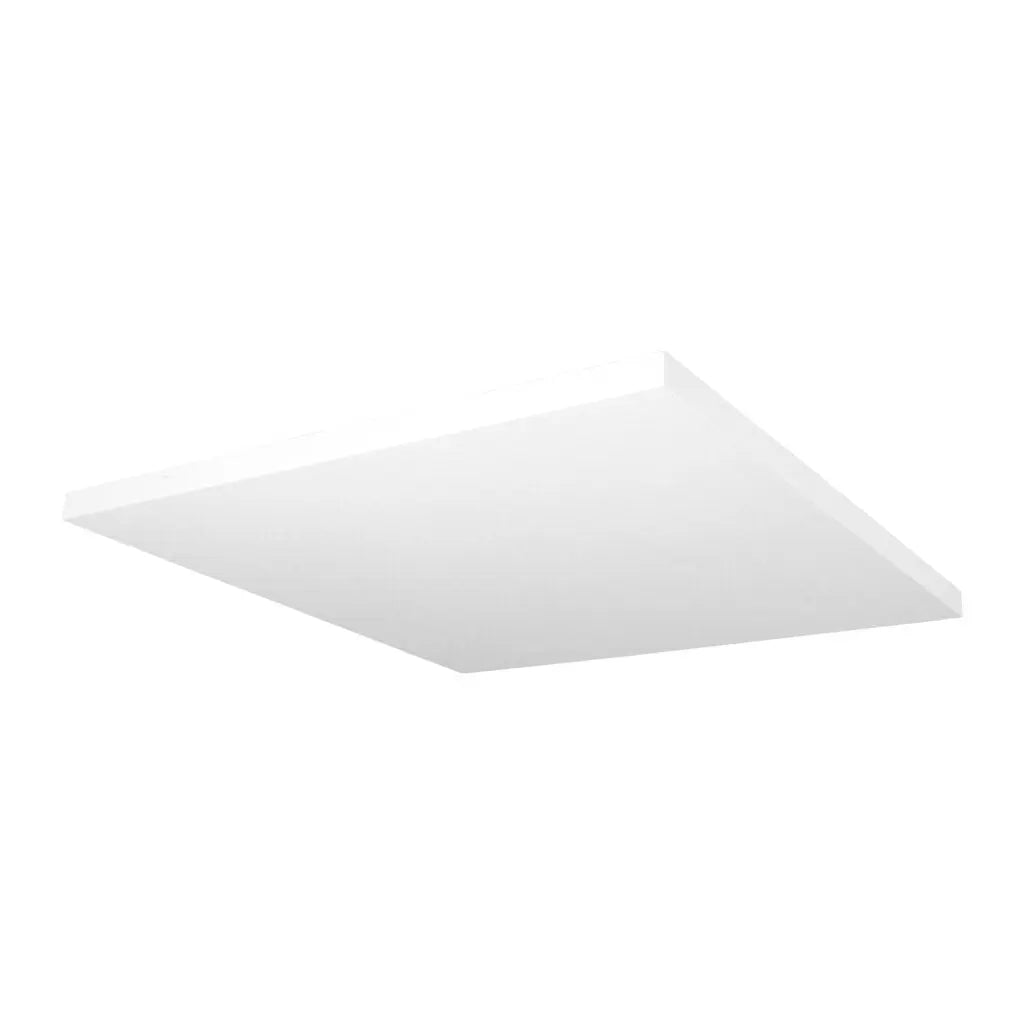
Absorption converts sound energy into a tiny amount of heat inside the panel, reducing the level of the reflection. This is what broadband absorbers and sound absorption panels do, and it is the bulk of what most rooms need.
Diffusion scatters a reflection in many directions instead of removing it, so the room keeps its sense of space and liveliness without the harsh slap-back. Diffusers work best on the rear wall and in rooms large enough for the listener to sit well away from them — typically 1.5m or more.
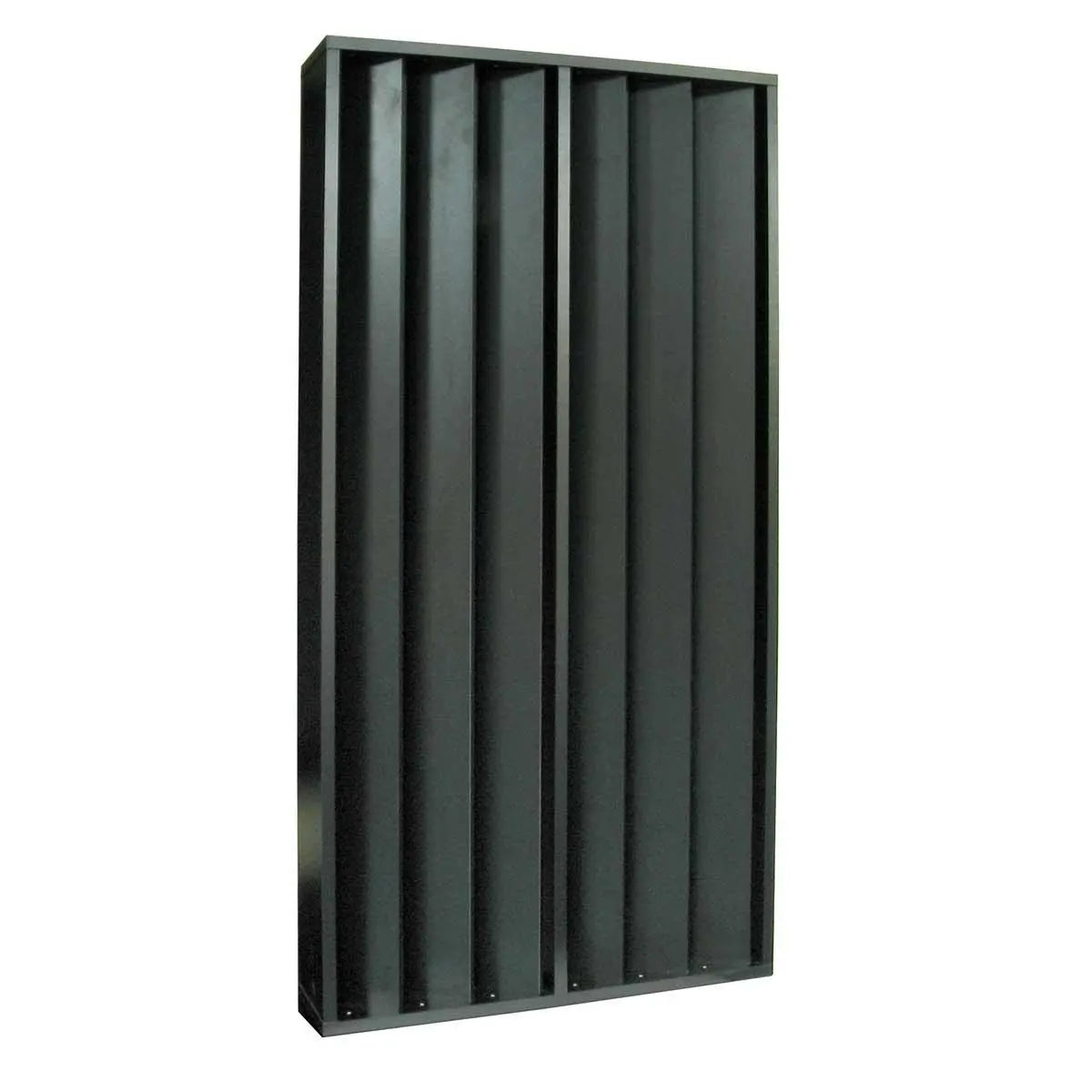
Bass trapping is absorption engineered to work at low frequencies, which need far more depth and mass to control. A 25mm panel does essentially nothing below 300Hz. If your low end is boomy or disappears when you move your head, the problem is bass, and a thin wall panel will not fix it. See our bass traps and corner traps.
NRC (Noise Reduction Coefficient) is a single number from 0 to 1 describing how much sound a material absorbs on average across the mid frequencies. An NRC of 0.85 means roughly 85% of the sound energy hitting the panel is absorbed rather than reflected. It is useful for comparing like with like, but it tells you nothing about low-frequency performance, which is where rooms actually go wrong.
Thickness matters more than the number. As a guide:
All the Primacoustic panelling we stock uses high-density glass wool with a rigid resin-hardened edge, so panels hold their shape and edge profile over years rather than sagging or shedding. Paintable versions are available where the treatment has to match a room's finish.
Our range runs from single mounting hardware through to complete rooms:
Not sure which of those your room needs? Send us your dimensions and a photo and we will tell you where to start.
No. This is the single most common misunderstanding in the category. Acoustic panels absorb reflections inside a room, improving how it sounds to record and mix in. Soundproofing means stopping sound passing through a wall, floor or ceiling, and it requires mass, decoupling and airtight sealing — construction work, not panels. If your goal is to stop annoying a housemate or a neighbour, panels will not achieve it.
No, for the same reason. Noise arriving through a shared wall is a transmission problem. Panels on your side of that wall will slightly reduce how much of it reverberates once it is in your room, but they will not meaningfully reduce how much gets in.
50mm is the practical minimum for a music room, and 75–100mm or a 50mm panel on a standoff is better if you have the depth to spare. Use 25mm only for speech-focused spaces such as offices, meeting rooms and voice booths.
Yes. Impaler and Rotofast anchors need only a small fixing point and leave a repairable hole, and free-standing gobos and floor-standing columns need no fixings at all. For rentals, free-standing treatment and a wall-mounted vocal booth on a single anchor are the usual answers.
For a typical 3m × 4m room, budget for twelve to fourteen 610mm × 1219mm panels plus corner bass trapping — roughly 20% coverage of wall and ceiling area. Prioritise corners and first reflection points over even coverage.
Considerably, and you need less than a mixing room does. Treating the wall behind the camera, the wall the microphone points at, and the nearest corner will remove most of the room sound that makes home audio sound amateur.
In everyday use, yes — both describe porous panels that absorb reflections. "Sound absorption panel" is the more literal term and is common in commercial and architectural specifications; "acoustic panel" is what most studio buyers search for. The products are the same.