


 $687.50 AUD
 $456.80 AUD
$572.90 AUD
$456.80 AUD
$572.90 AUD $149.00 AUD
$199.00 AUD
$149.00 AUD
$199.00 AUDA condenser microphone uses a thin conductive diaphragm suspended near a fixed backplate, with a polarising voltage across the gap. Because the moving part is so light, it responds to detail a dynamic microphone simply cannot follow — which is why condensers are the default for vocals, acoustic instruments, drum overheads, orchestral work and anything where the top end matters.
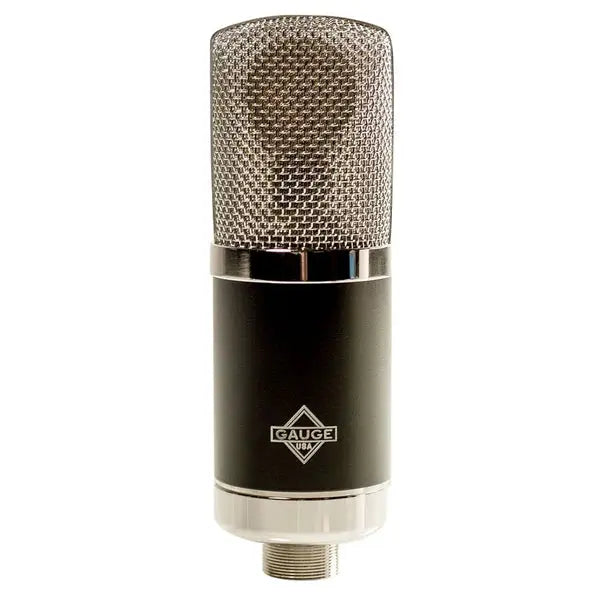
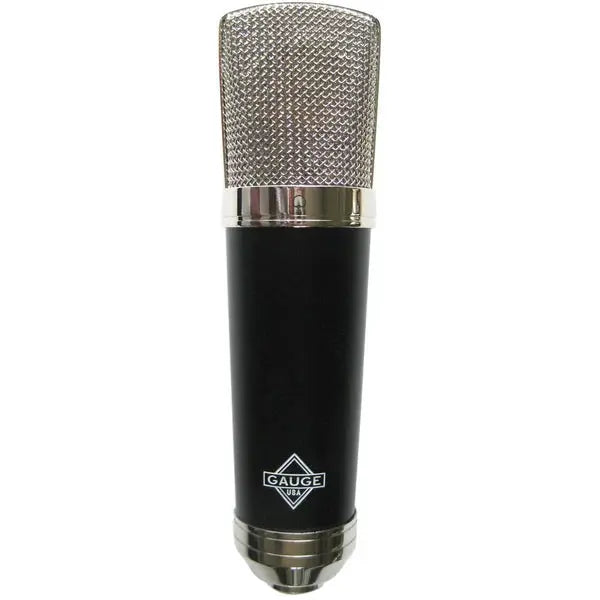
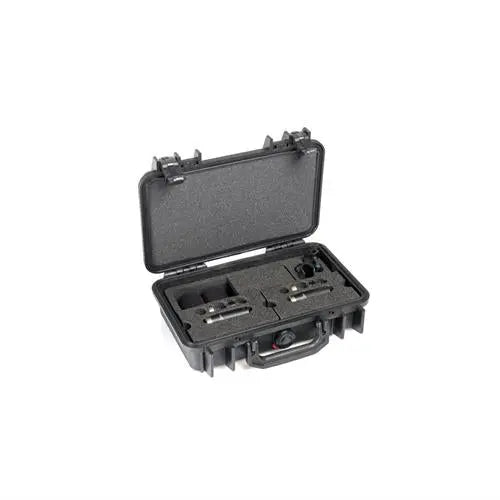
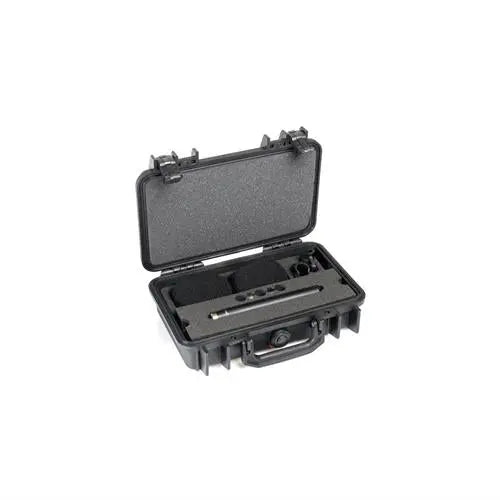
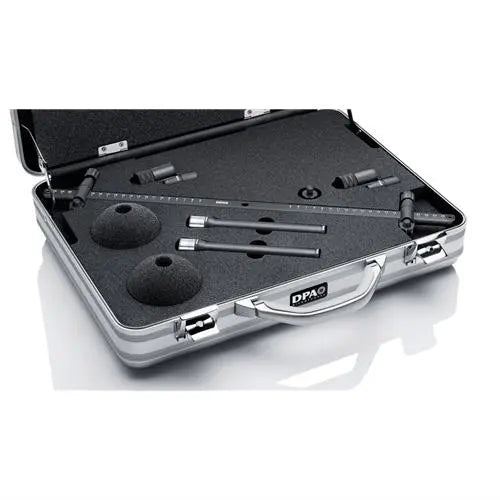
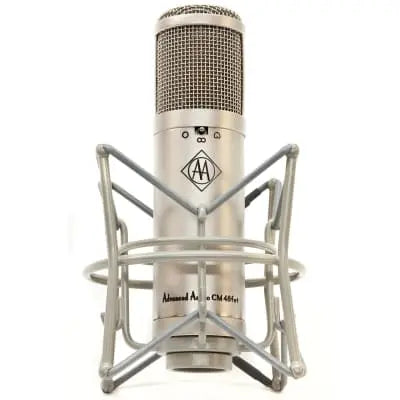
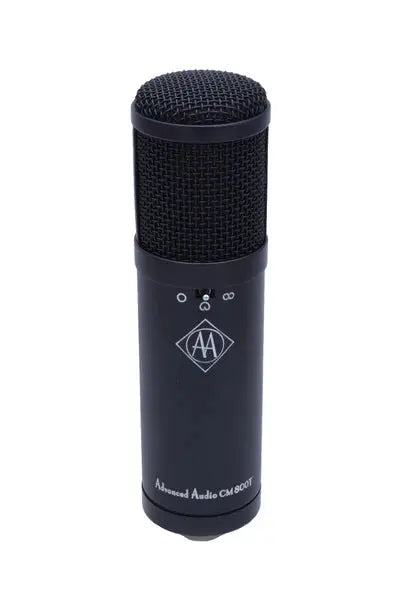
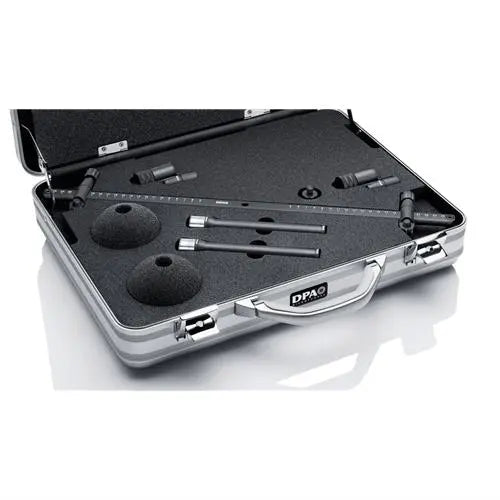
We stock condenser microphones from DPA, AKG, Neumann, sE Electronics, Slate Digital, Gauge, Josephson, MXL and Advanced Audio, from an $58 button mic through to reference stereo kits for classical and broadcast work. All prices are in Australian dollars, shipped nationwide, with local warranty support.
Use a condenser when you want detail, extended high frequency response and a fast transient. Studio vocals, acoustic guitar, piano, strings, drum overheads, room mics, voiceover and podcasting all sit here. Condensers need phantom power and they will faithfully capture your room, so an untreated space is heard on the recording.
Use a dynamic when you want rejection, durability and tolerance of very high sound pressure. Live vocals, guitar cabinets, snare and kick drums, and loud untreated rooms. Dynamics are more forgiving of a bad space because they hear less of it.
It is not a quality ranking. Plenty of recognisable records were cut on a dynamic microphone that cost a fraction of the condenser sitting next to it. The right question is what the source and the room need, not which is better.
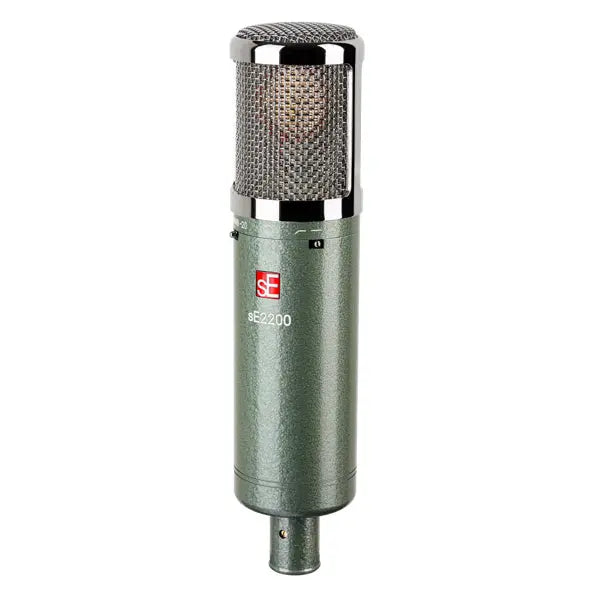
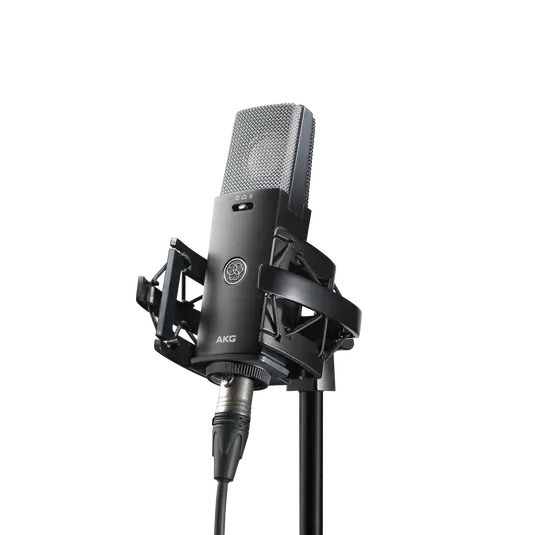
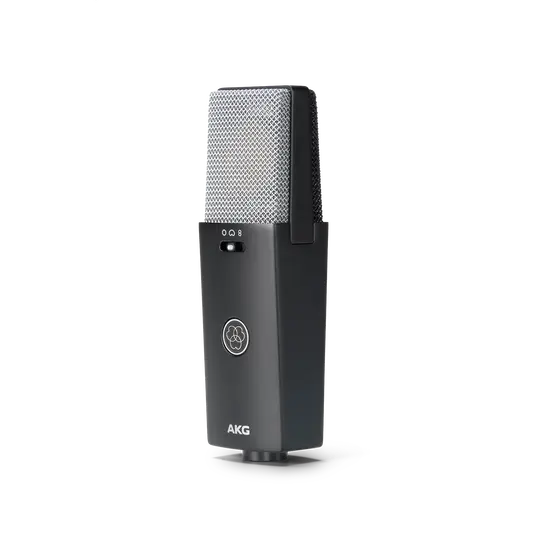
A large diaphragm condenser (LDC) uses a capsule around 25mm or more across. The larger surface generates more signal relative to its own noise, so LDCs are typically quieter, warmer through the low mids, and flattering on voices. The proximity effect is stronger, which is why close-miked vocals sound fuller. This is the classic vocal microphone shape, and most multi-pattern microphones are LDCs.
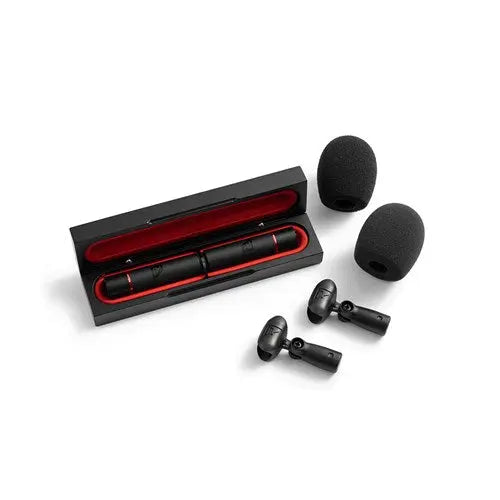
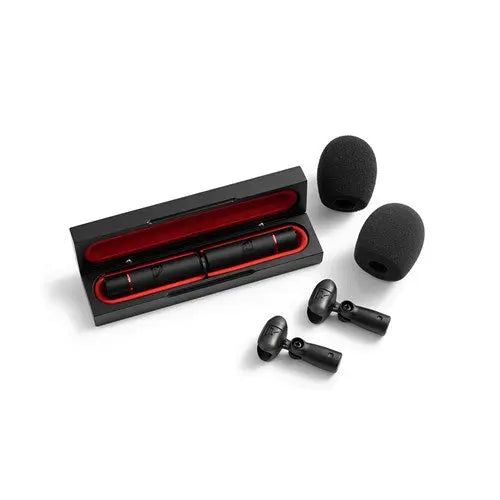
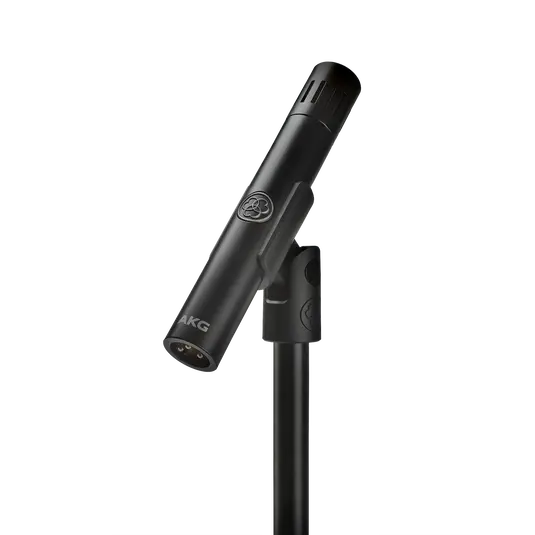
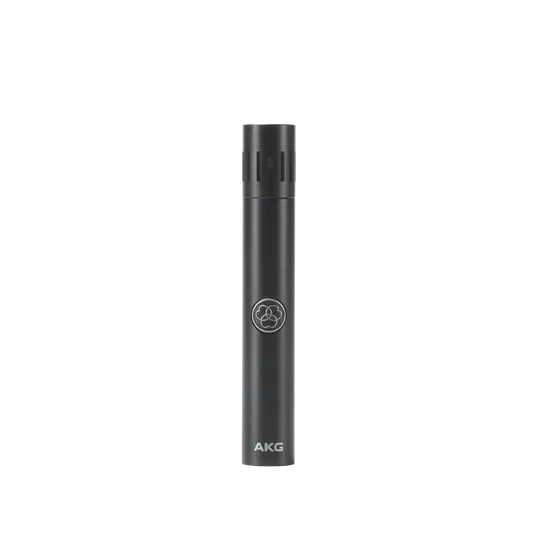
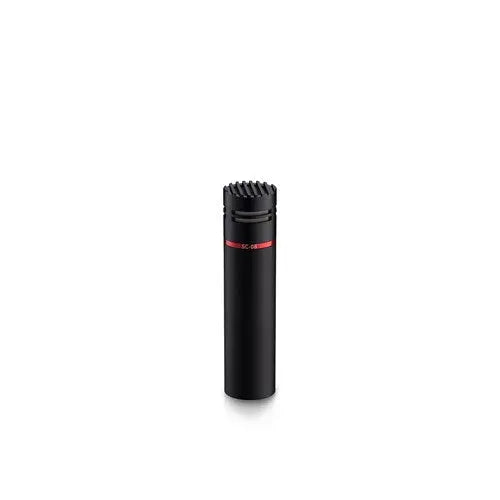
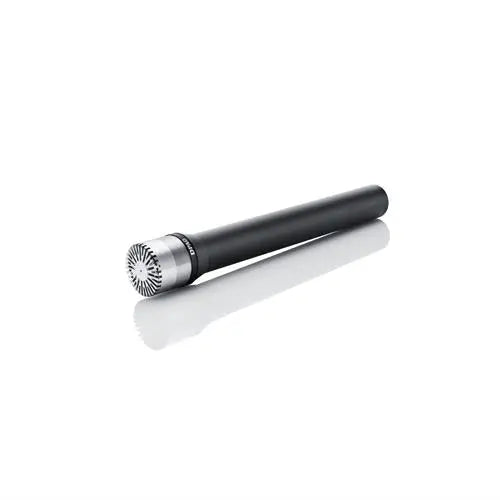
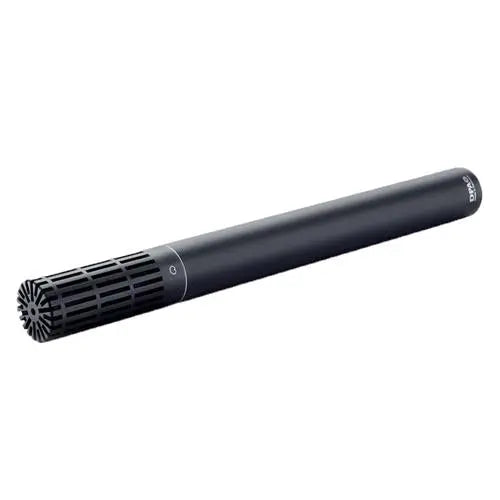
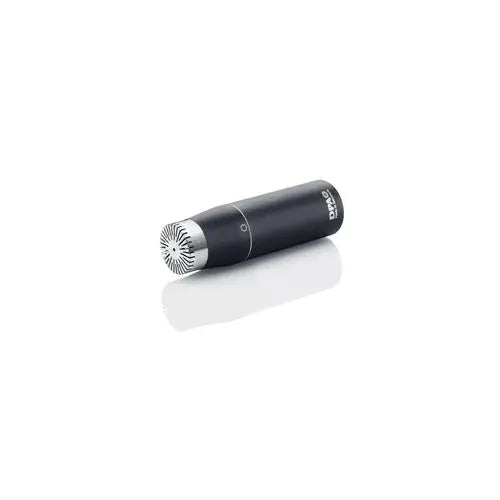
A small diaphragm condenser (SDC), sometimes called a pencil microphone, uses a capsule of roughly 12–16mm. It trades a little self-noise performance for a more consistent polar pattern and a more accurate transient response. SDCs are the better choice for acoustic guitar, hi-hats and cymbals, orchestral sections, drum overheads where accuracy matters more than weight, and any stereo pair where matching and off-axis behaviour is critical.
If you are buying one microphone for a home studio and it will mostly record voice, buy a large diaphragm condenser. If you are recording acoustic instruments or building a stereo pair, look at small diaphragm models.
Almost always, yes. Standard 48V phantom power is supplied over the same XLR cable that carries the signal, and it comes from your audio interface, microphone preamp or mixer — not from the microphone.
Two exceptions worth knowing. Valve (tube) condensers ship with their own external power supply and dedicated multi-pin cable, and do not use 48V phantom. Some miniature and lavalier capsules run on lower voltages through a dedicated adapter. Everything else on this page expects 48V.
If a condenser sounds very quiet or produces nothing at all, phantom power being switched off is the first thing to check, ahead of the cable.
Under $250 gets you a genuinely usable cardioid condenser for a home studio — enough to make good recordings in a treated room. Between $250 and $800 you are buying lower self-noise, better build and multiple polar patterns. Above $1,000 you are into modelling microphones, valve designs and reference capsules where the difference is real but shows up mainly in a good room through a good preamp.
If your budget is fixed, a mid-priced microphone in a treated room will beat an expensive microphone in an untreated one every time. Our acoustic panels are usually the better first purchase.
Recording sources where detail and high-frequency accuracy matter: studio vocals, acoustic instruments, piano, strings, drum overheads, room ambience, voiceover, podcasting and classical or broadcast location work. Condensers capture more of what is actually in front of them — including the room — than dynamic microphones do.
They need something that supplies 48V phantom power and a microphone preamp, which for most people is an audio interface. A standalone microphone preamp into a line input, or a mixer with phantom power, works equally well. An XLR condenser cannot be plugged straight into a computer.
For studio vocals in a treated room, usually yes — the extra detail and air suits recorded voice. For live vocals, or in an untreated or noisy room, a dynamic often produces a better result because it rejects far more of what you do not want.
Because it is doing its job. Condensers are sensitive and will capture the reflections in your room along with the source. The fixes, in order: move closer to the microphone, move away from walls and corners, and treat the first reflection points with acoustic panels. Turning down the gain does not help — it lowers the source and the room by the same amount.
Large diaphragm capsules (25mm and up) are quieter, warmer in the low mids and flattering on voices. Small diaphragm capsules (12–16mm) have a more consistent polar pattern and a faster, more accurate transient response, which suits acoustic instruments, cymbals and stereo pairs.
The polar pattern describes which directions the microphone hears. Cardioid picks up mostly from the front and rejects the rear — the right default for almost everything. Omnidirectional hears equally in all directions, useful for room and orchestral work. Figure-of-eight hears front and back and rejects the sides, used for interviews and mid-side stereo. Multi-pattern microphones let you switch between them.
For a large diaphragm condenser on vocals, yes to both. A shock mount stops floor and desk vibration reaching the capsule as low-frequency rumble, and a pop filter stops plosives from overloading it. Neither can be fixed convincingly after the fact. Many microphones include a shock mount in the box — check the listing before buying one separately.