

 $687.50 AUD
 $456.80 AUD
$572.90 AUD
$456.80 AUD
$572.90 AUD $399.00 AUD
 $649.00 AUD
$699.00 AUD
$649.00 AUD
$699.00 AUD $149.00 AUD
$199.00 AUD
$149.00 AUD
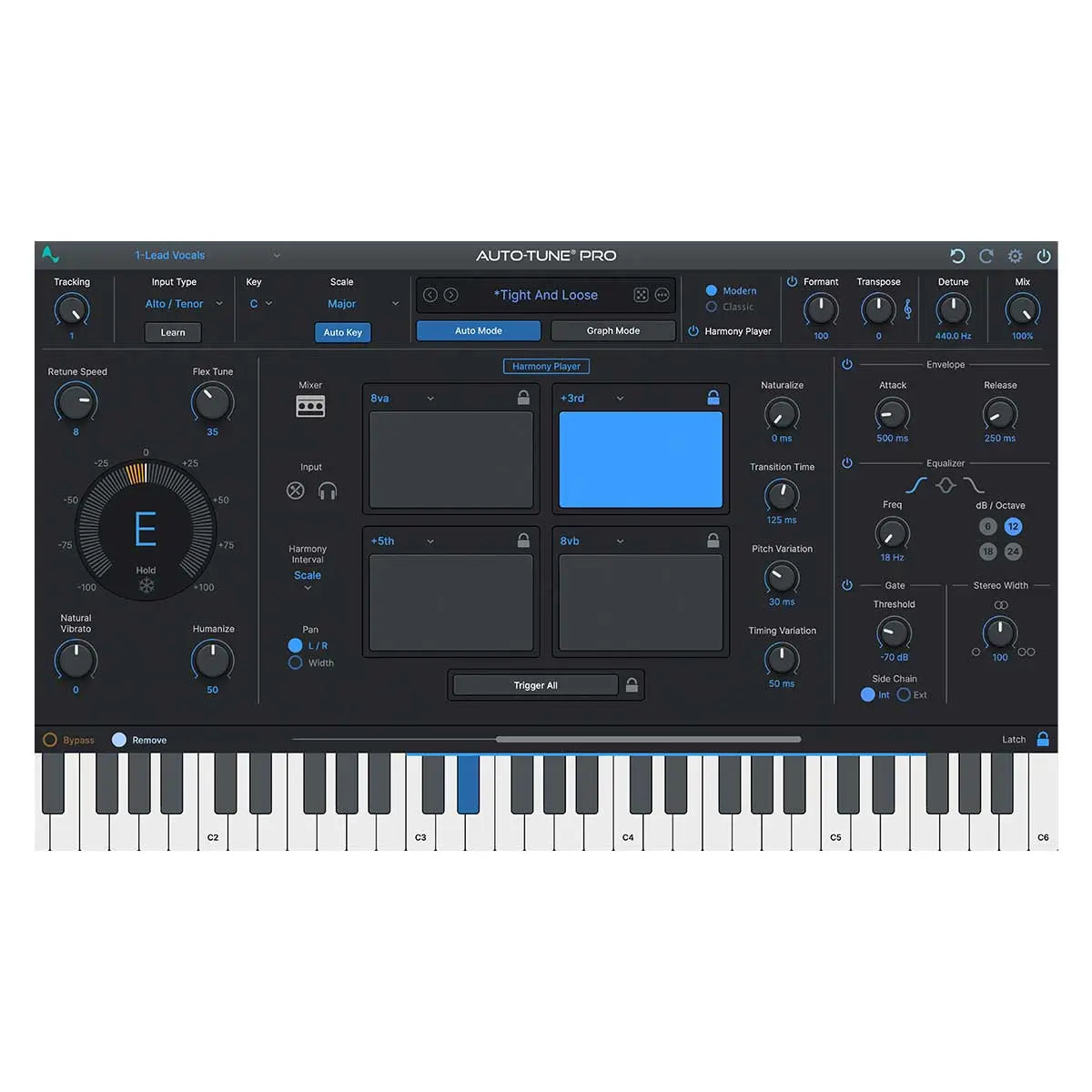
$199.00 AUDAuto-Tune is the worlds most popular vocal pitch correction software. It moves a sung note to the nearest correct pitch, either gently enough that nobody notices or hard enough that it becomes the sound of the record. Antares built the original in 1997 and still sets the reference today.
We supply the full Antares range in Australia as instant downloads. Which version should you buy?
Most people need one of three.
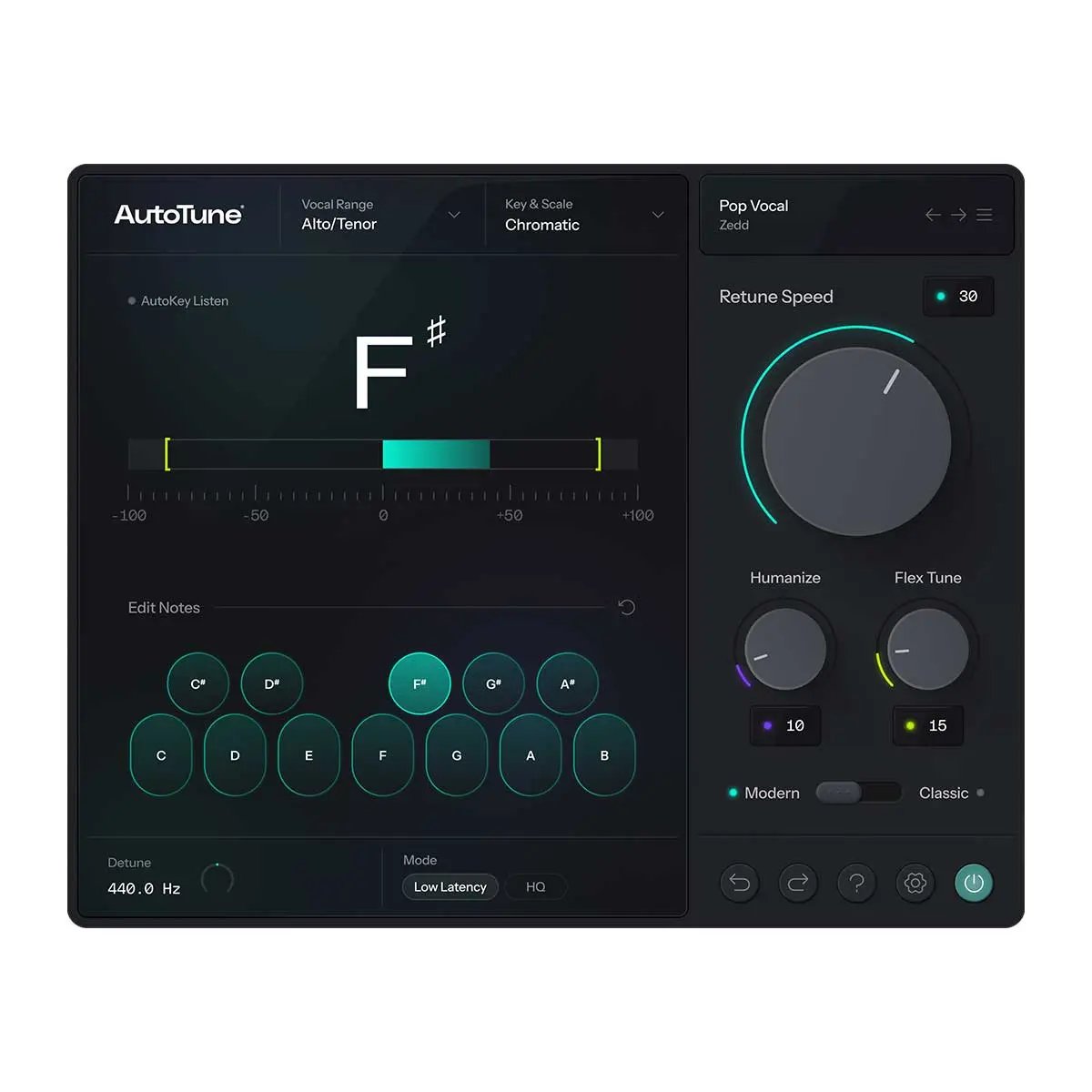
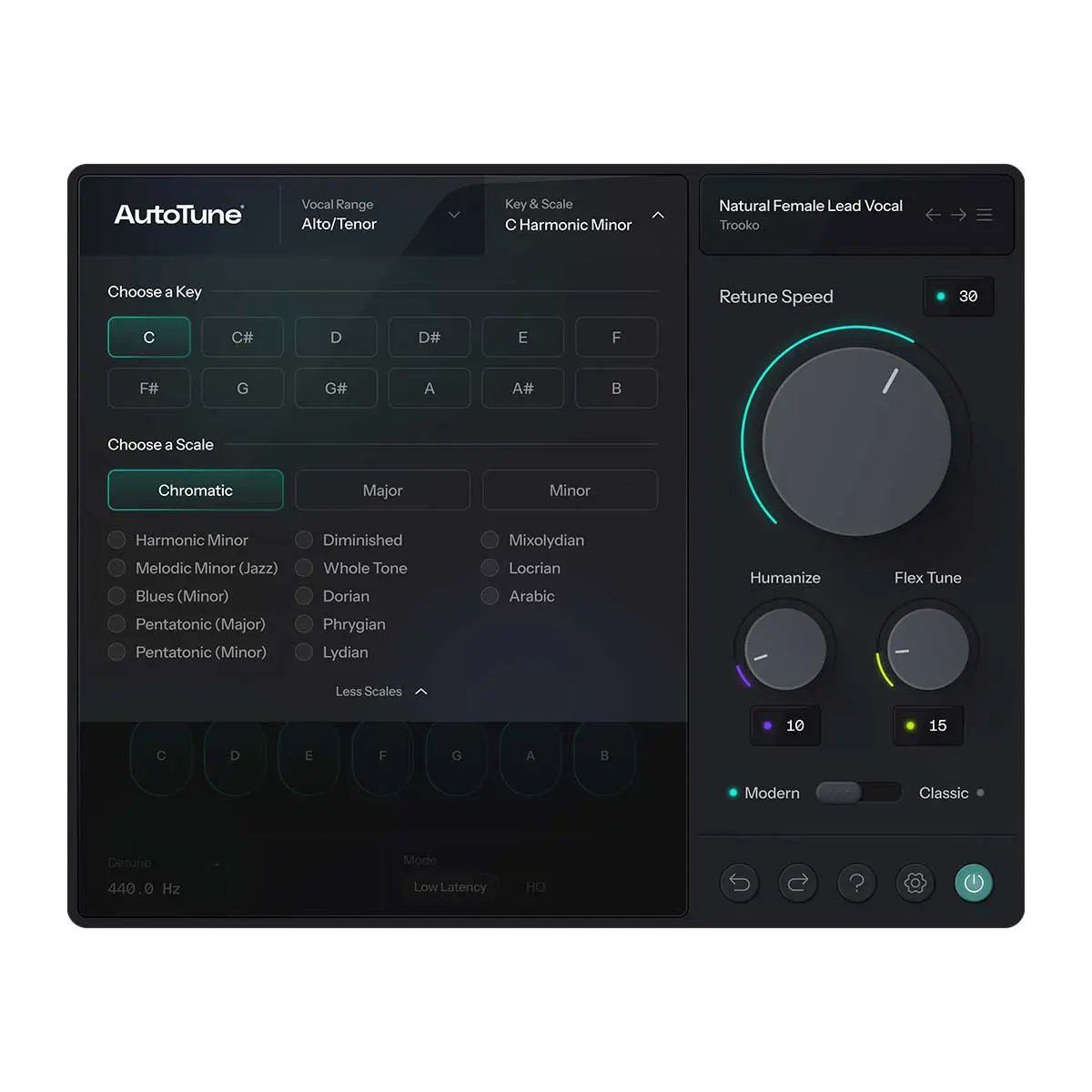
Auto-Tune 2026 The current standard version. Automatic mode, real-time correction, low latency. If you are tuning vocals in a mix and want it to sound natural, this does the job.
Auto-Tune Pro 11 Adds Graph Mode, which is note-by-note manual editing. That is the difference. Automatic mode fixes pitch across a whole take with one setting; Graph Mode lets you move a single word that landed flat while leaving everything else alone. Professional vocal work needs it. Home recording usually does not.
Auto-Tune Unlimited Subscription access to Pro plus every Antares plug-in, updated as they release. Cheaper in year one than buying Pro outright, more expensive by year three. Worth it if you want the whole range or you work project to project.
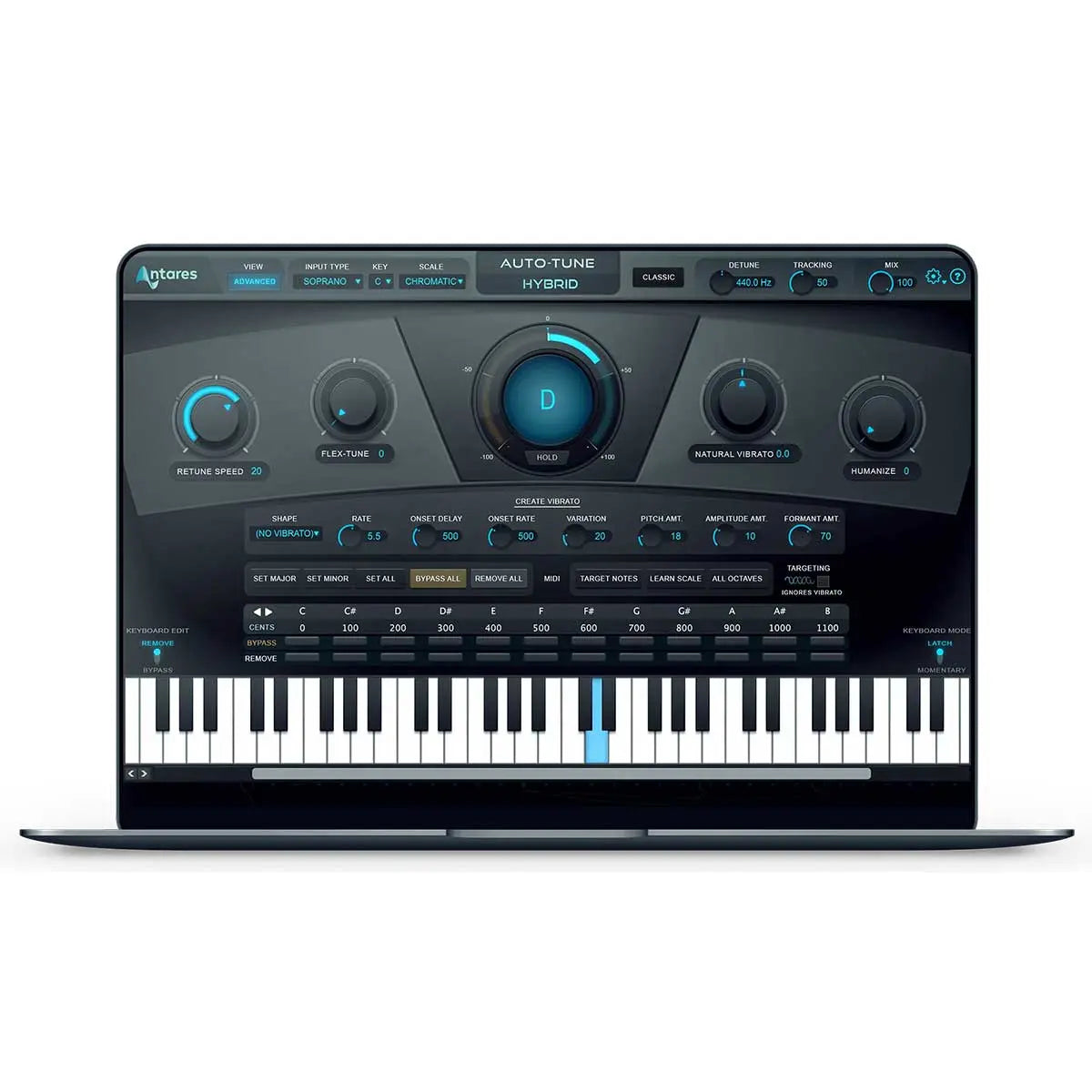
Also in the range: Auto-Tune Hybridand Auto-Tune EFX+ 10. EFX+ is the one to buy if you specifically want the hard-tuned vocal effect rather than transparent correction.
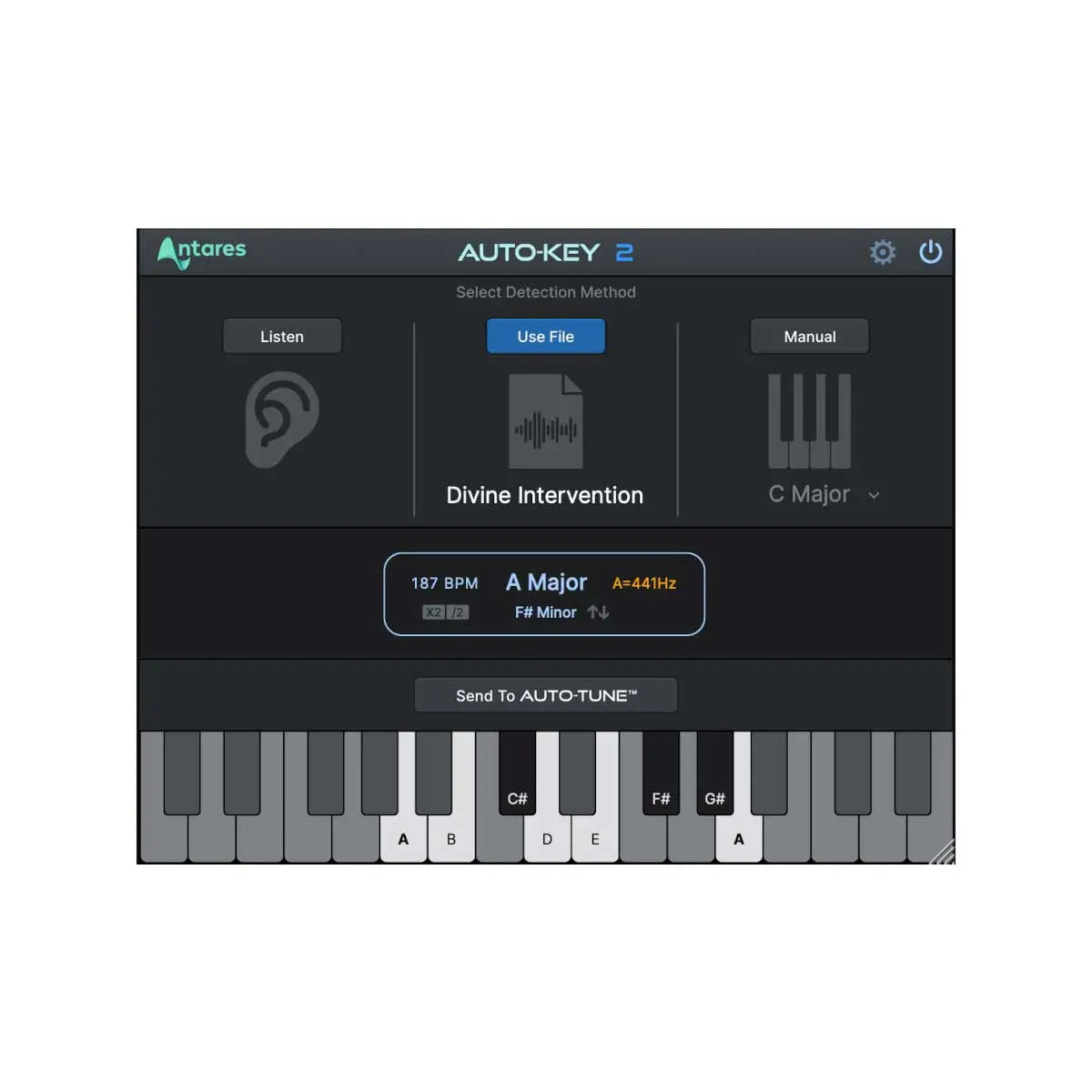
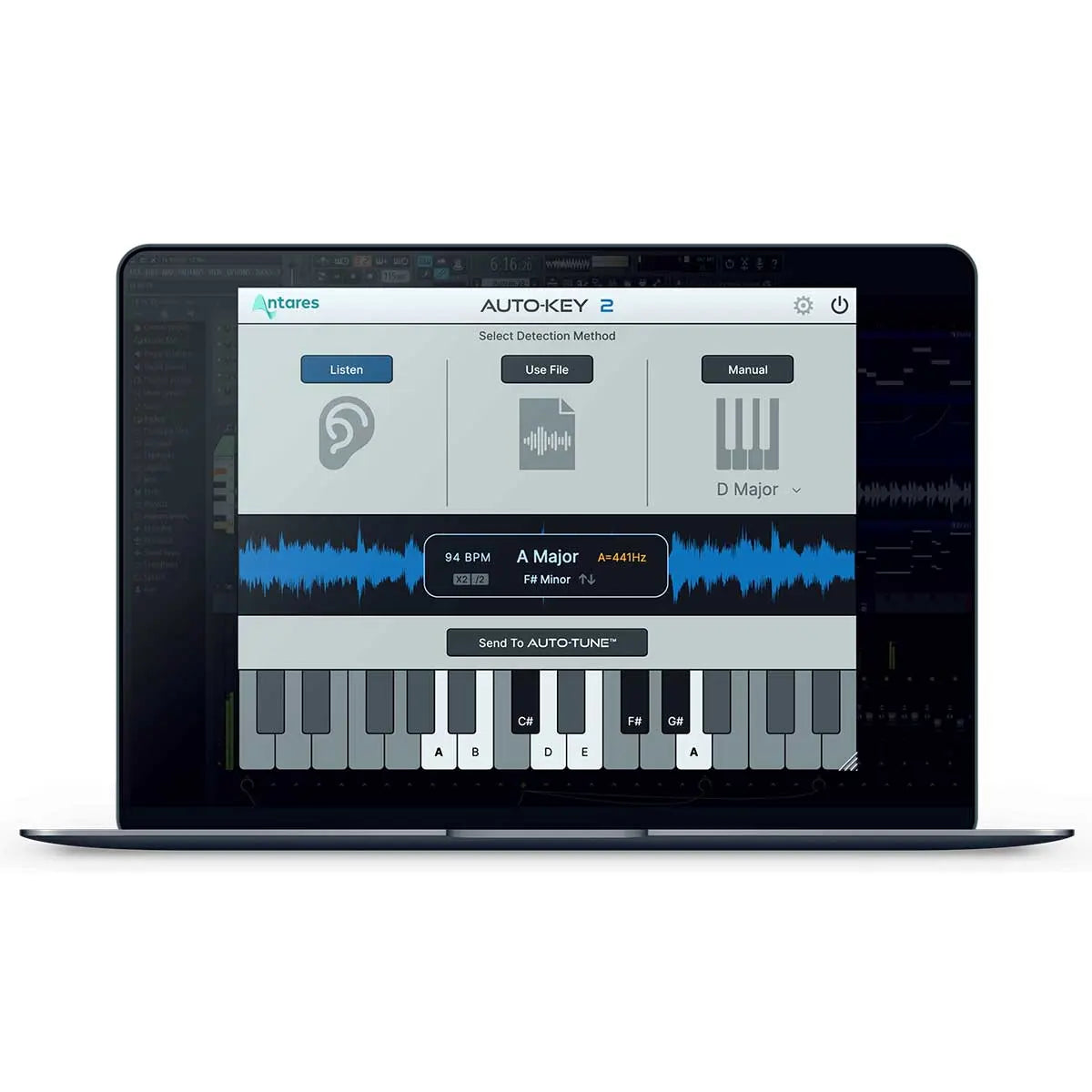
Auto-Key 2 . It listens to your track, works out the key and scale, and sends that to Auto-Tune automatically.
Auto-Tune only sounds right when it knows which notes are correct. Set the wrong key and it drags good notes to the wrong pitch, which is what most bad Auto-Tune actually is. If you are not confident identifying key by ear, buy Auto-Key with whichever version you choose.
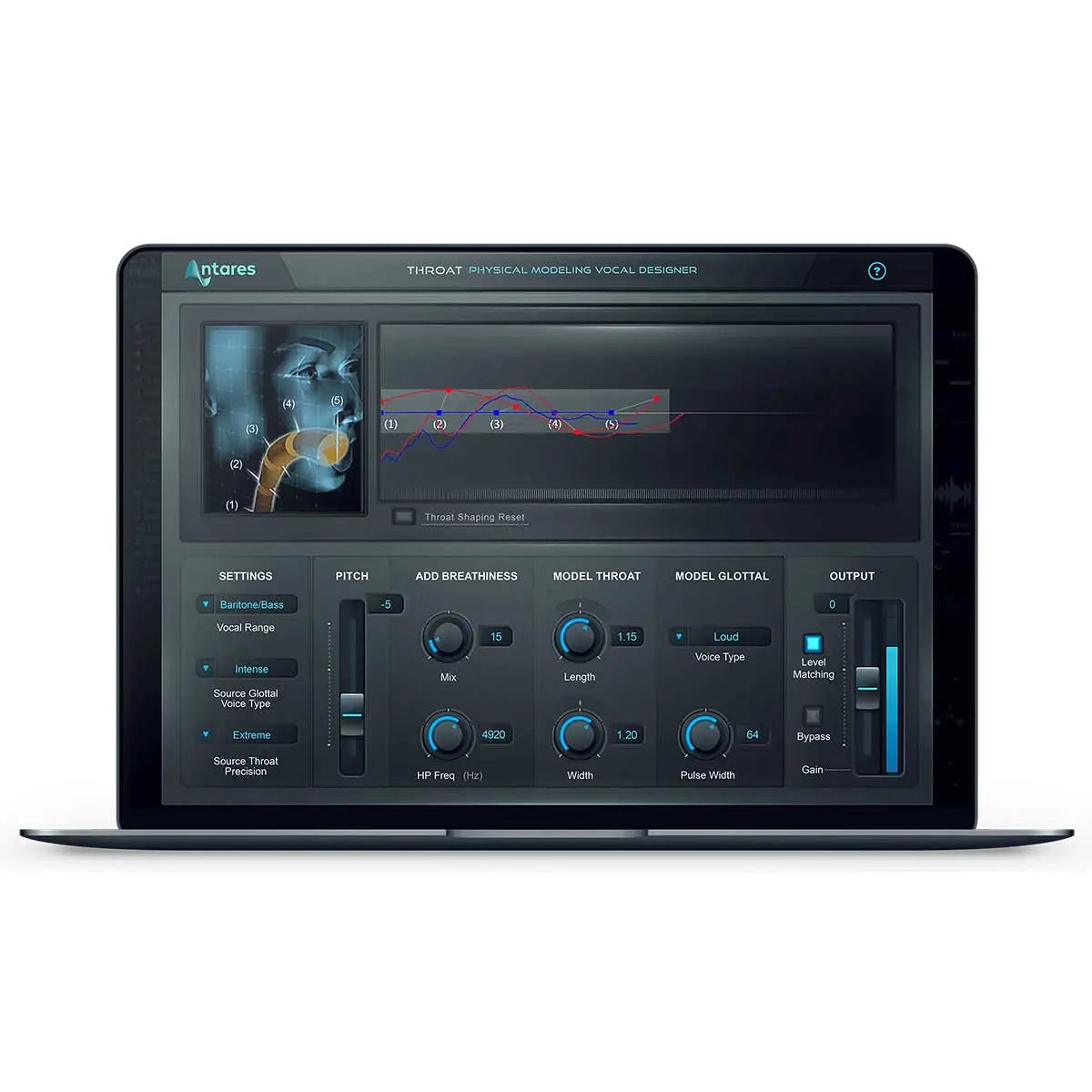
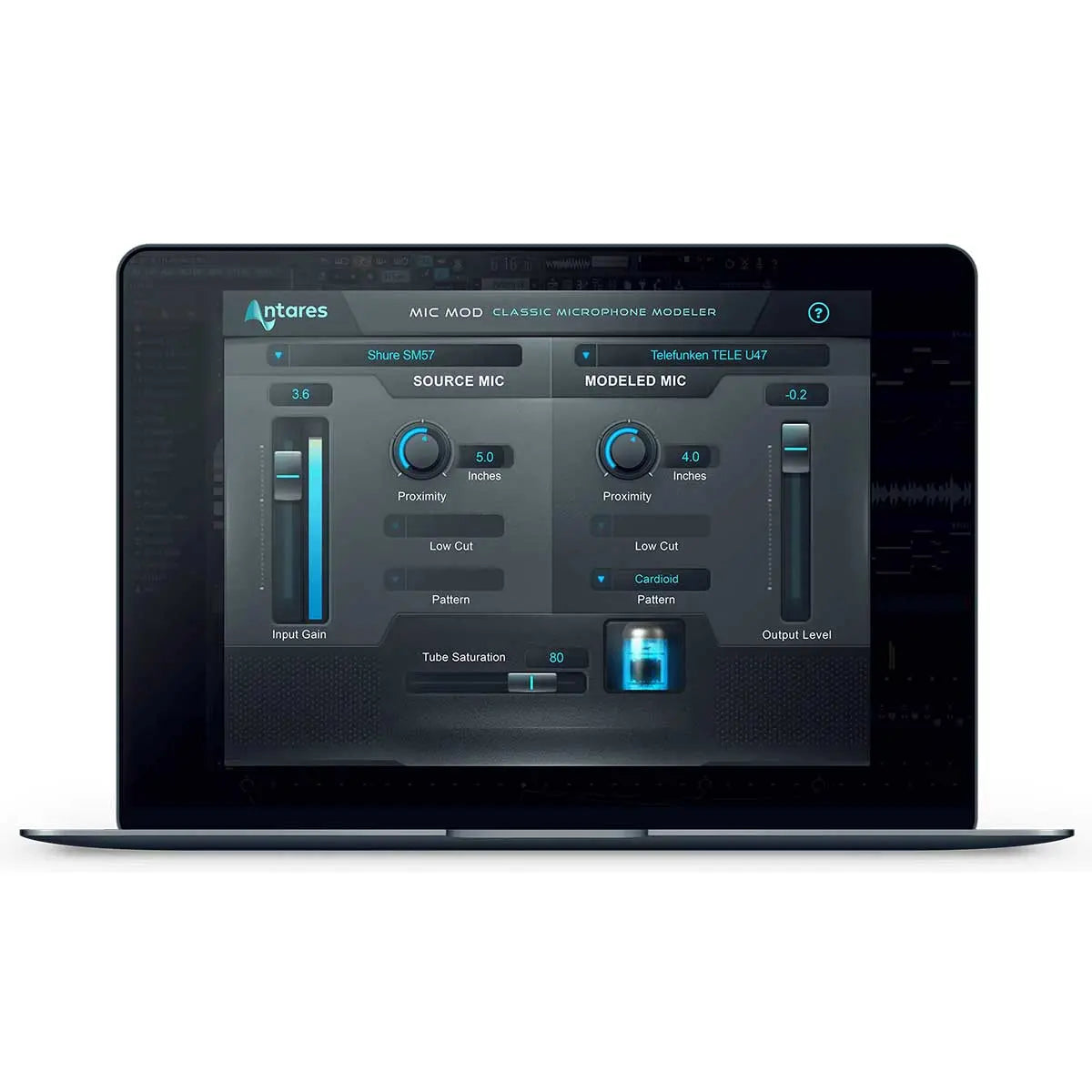
Antares makes more than pitch correction. These are the ones worth knowing about:
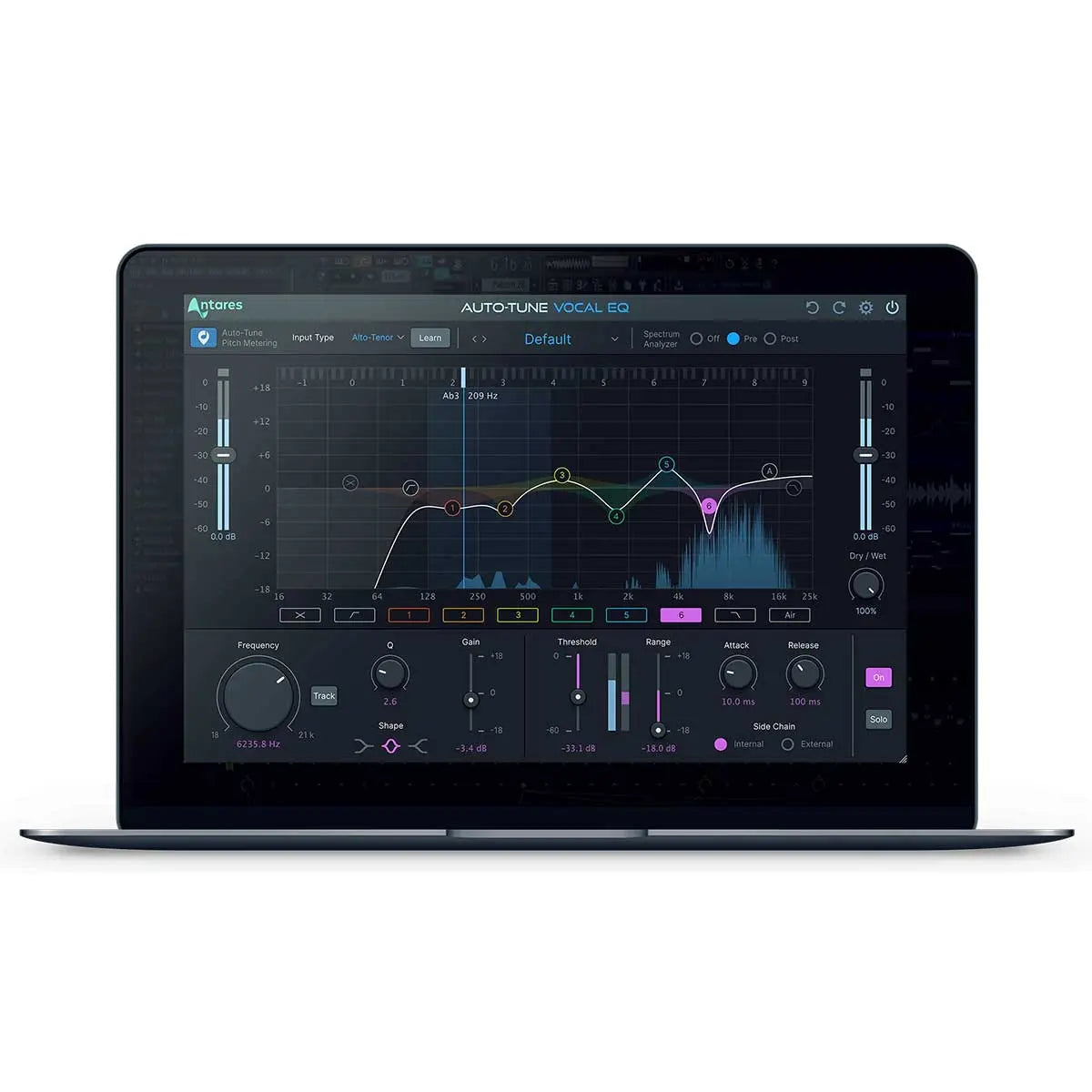
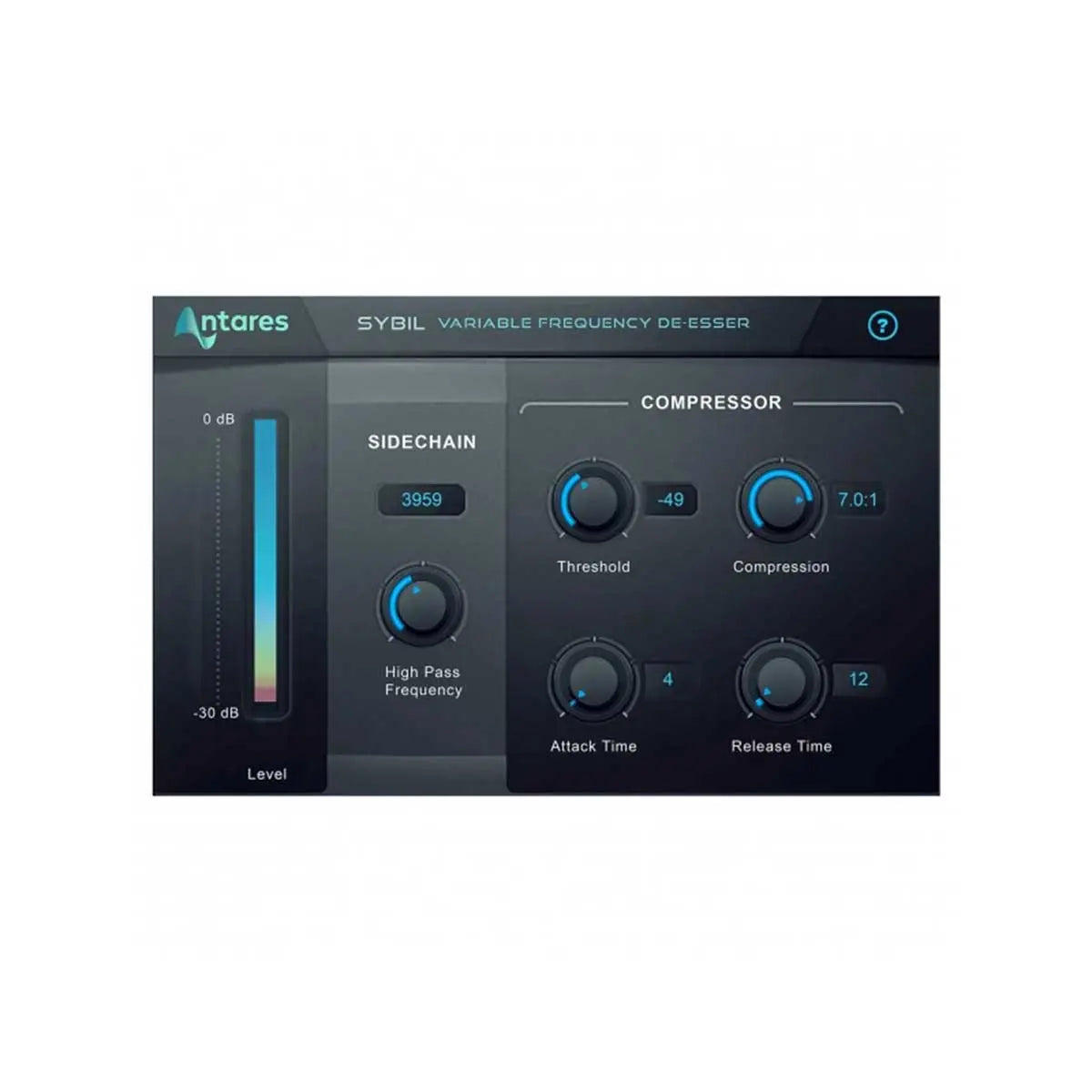
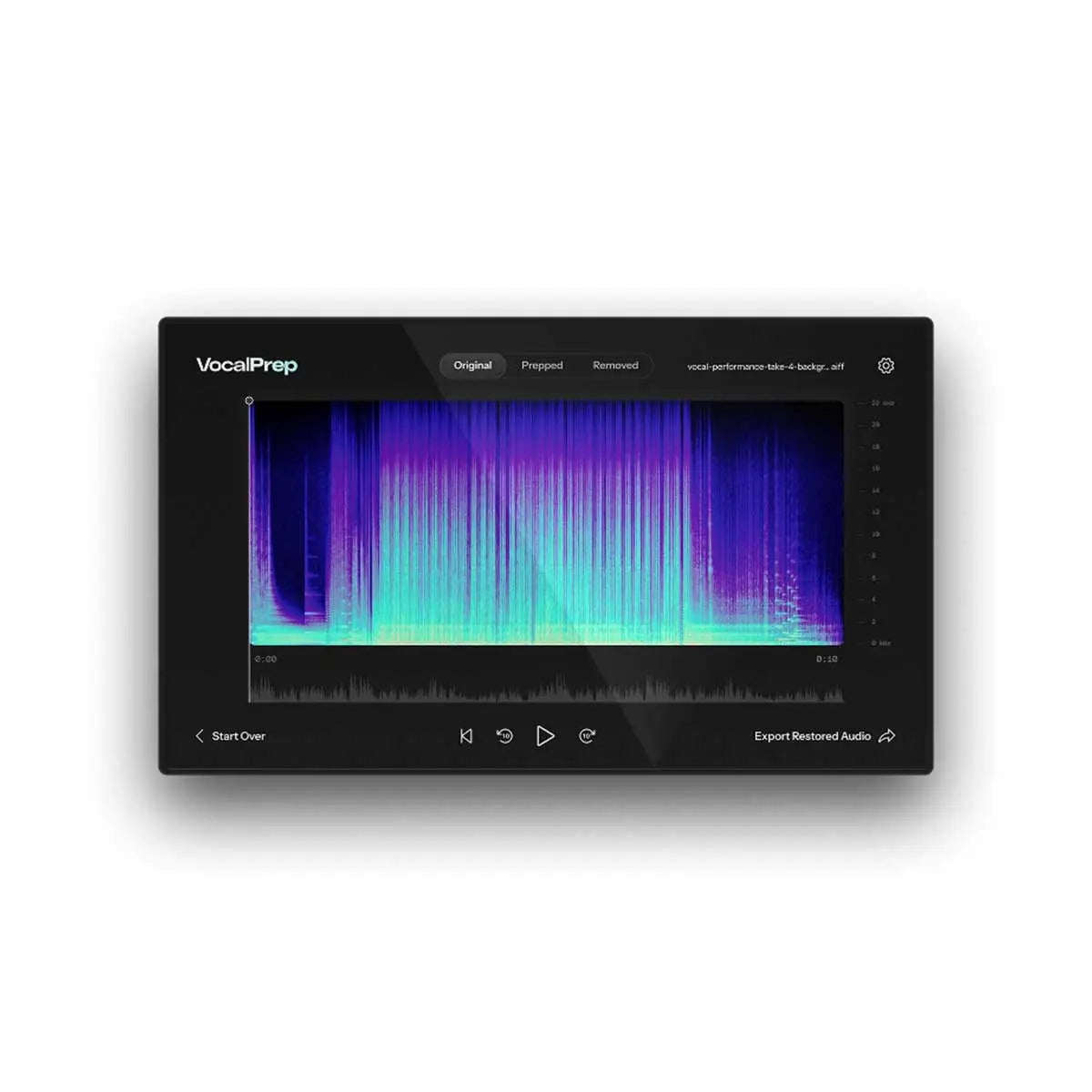
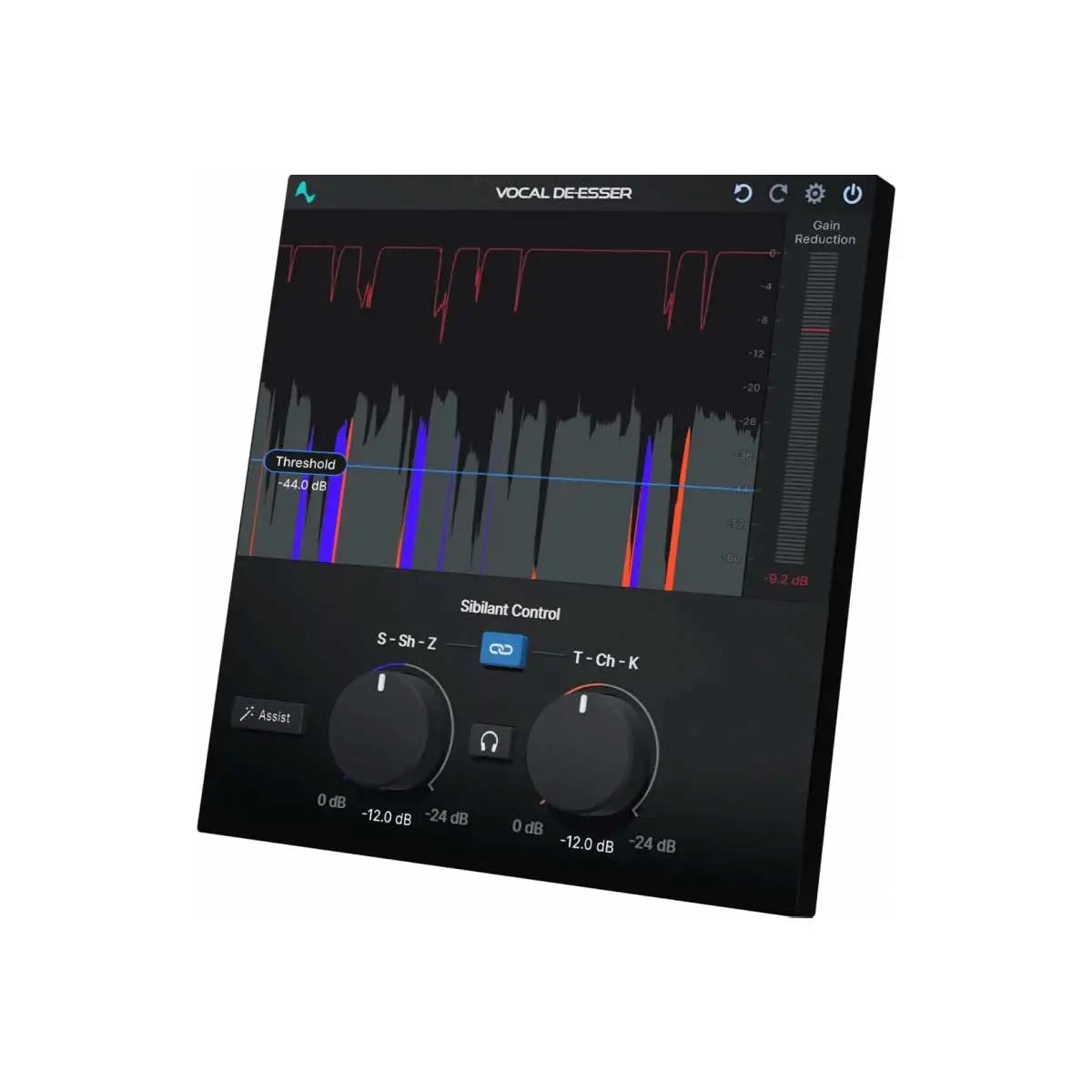
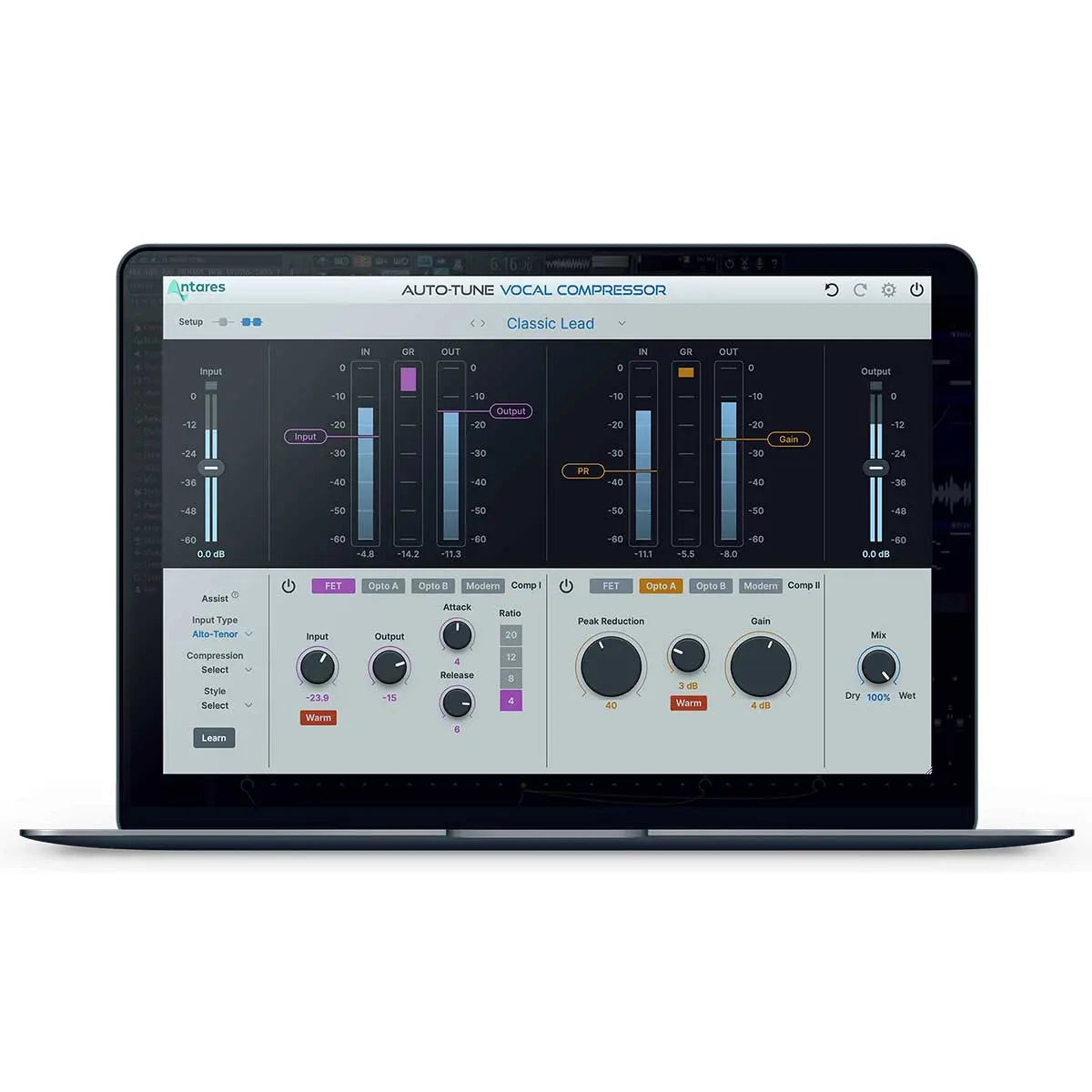
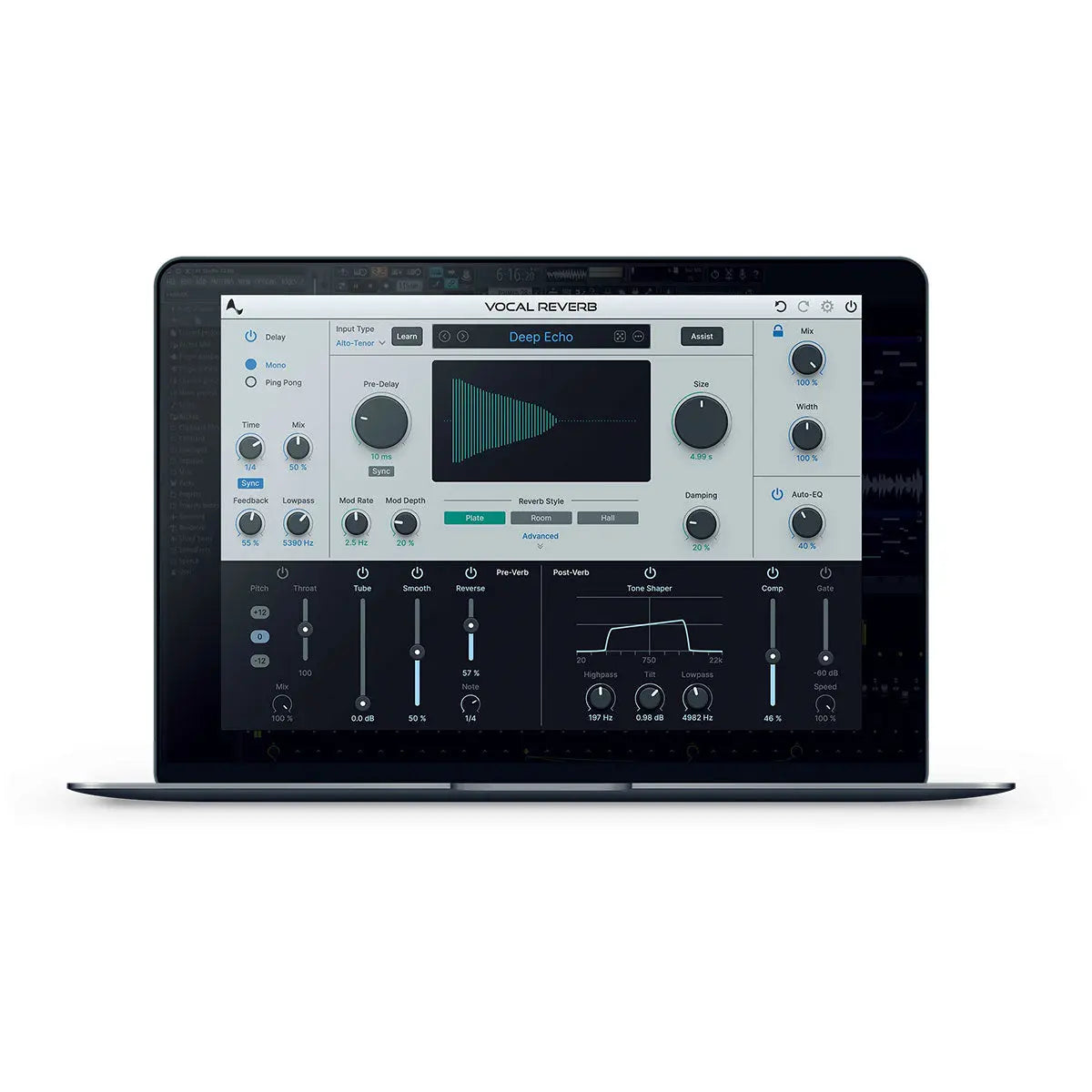
The vocal utility set covers the standard chain around the tuning: Vocal Compressor, Vocal EQ, Vocal De-Esser, Vocal Reverb and Vocal Prep. Sybil is a variable-frequency de-esser and the better choice if sibilance is the specific problem.
Antares software runs on macOS and Windows in VST3, AU and AAX, so it works in Pro Tools, Logic, Ableton Live, Cubase, Studio One, FL Studio and Reaper. Check the individual listing for current operating system requirements before ordering.
Not sure which version fits what you do? Tell us what you are recording and what you are recording it in, and we will tell you whether you need Graph Mode or not.


Graph Mode. The standard version corrects pitch automatically across a whole performance using a key and a retune speed. Pro adds note-by-note manual editing, so you can drag one word into place and leave the rest untouched. If you are fixing individual notes rather than treating a whole take, you need Pro.
No, and it stopped being a useful question about twenty years ago. Nearly every commercially released vocal since the early 2000s has been pitch corrected, usually so lightly you would never hear it. The audible, quantised effect is a deliberate production choice, not a mistake. Both uses are legitimate.
You need to know the key of your track. Auto-Key works it out for you and sends it straight to Auto-Tune. If you can identify key confidently by ear you can enter it manually and skip Auto-Key.
Auto-Tune Unlimited is a annual subscription and includes every Antares plug-in. Auto-Tune Pro 11 is a perpetual licence. The subscription wins in year one and loses by year three, and it gives you the whole catalogue rather than one title. Choose the perpetual licence if you want one tool for years; choose the subscription if you want the range or your work comes in bursts.
VST3, AU and AAX on macOS and Windows. That covers Pro Tools, Logic Pro, Ableton Live, Cubase, Studio One, FL Studio, Reaper and Bitwig.
It fixes pitch. It does not fix timing, phrasing, poor mic technique or a performance without conviction. A flat note becomes an in-tune flat note. Correcting a take that is badly out will also produce audible artefacts, because the further the software has to move a note the more obvious the processing becomes. Record a better take where you can.
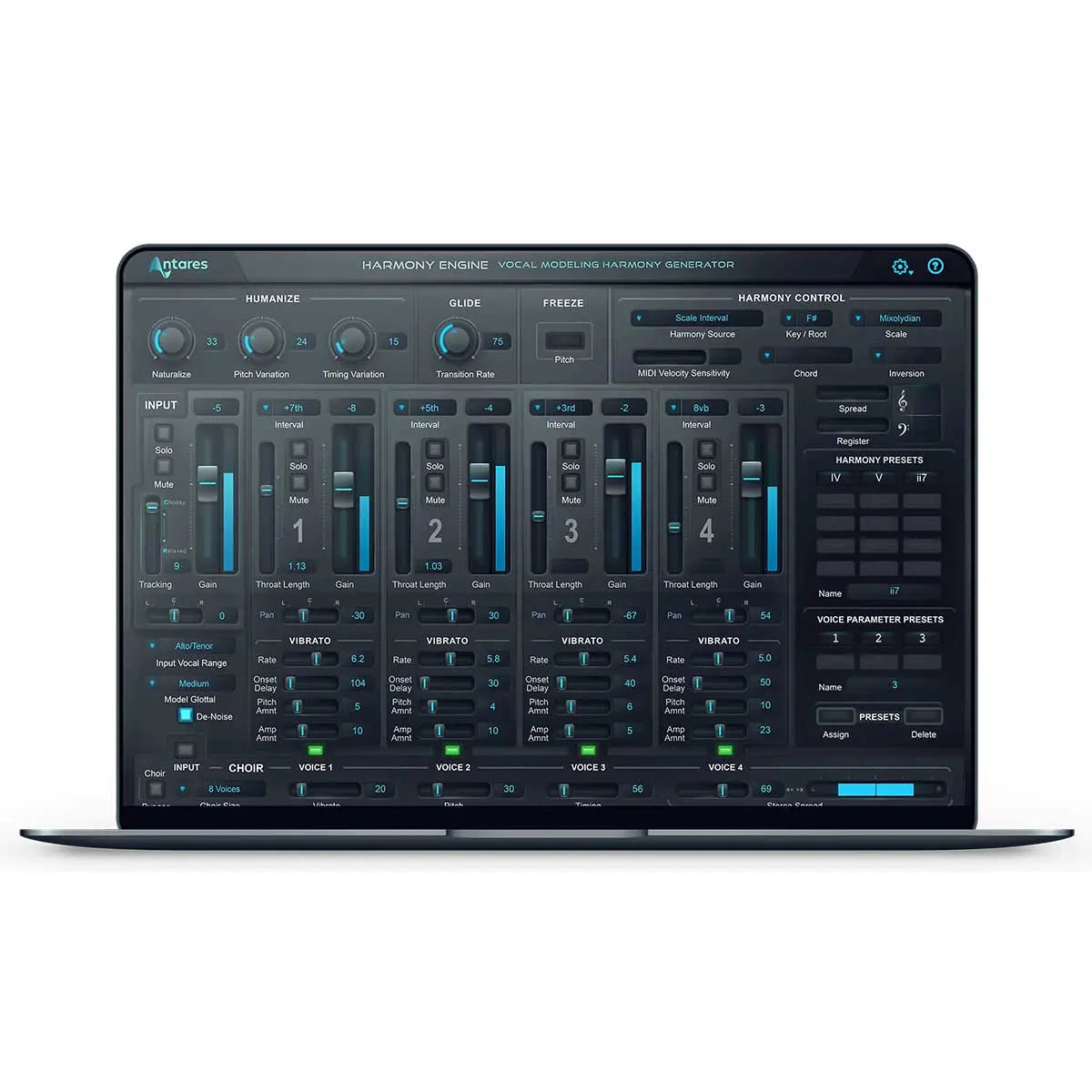
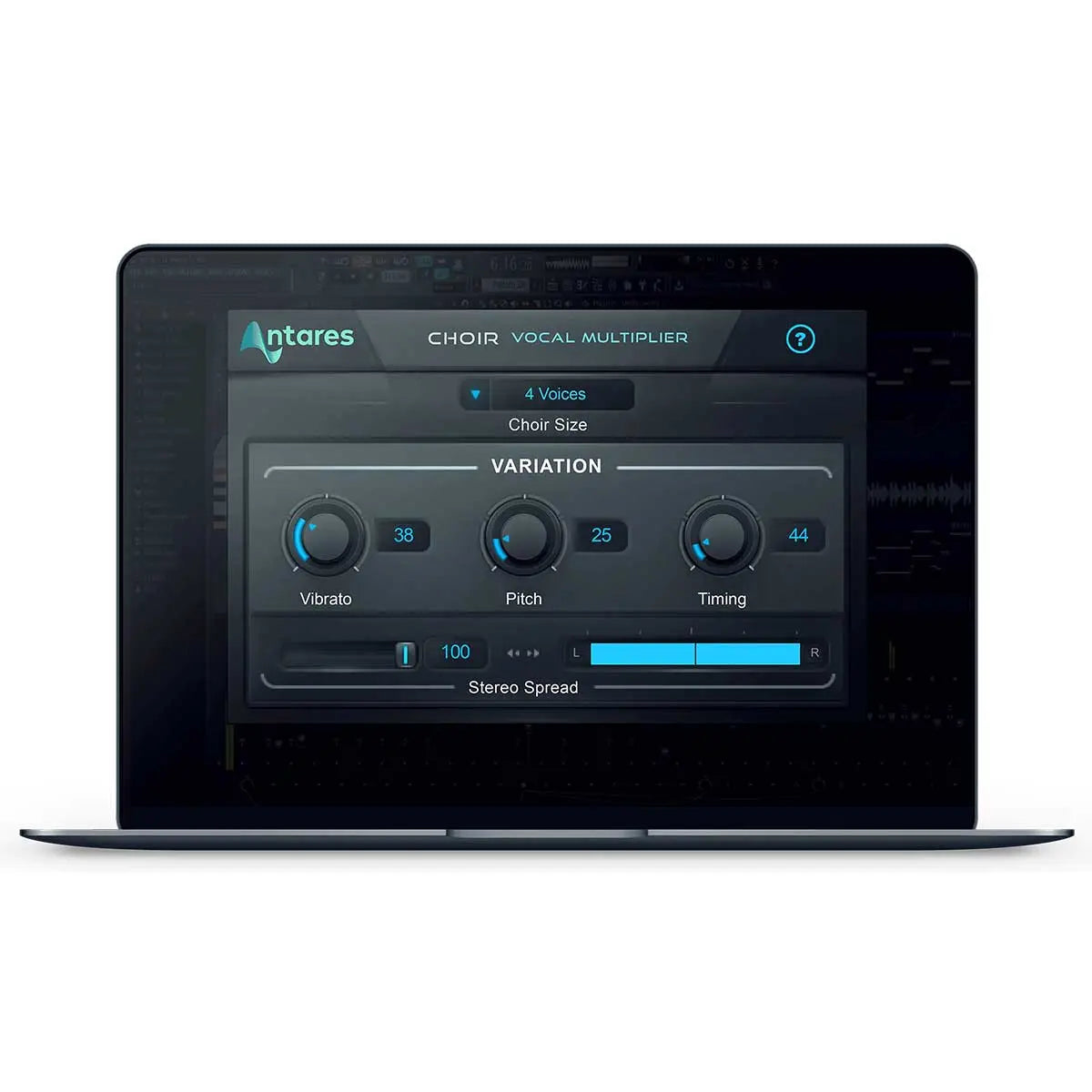
Harmony Engine generates separate harmony parts at intervals you specify, following your chord progression. Choir multiplies the same part into up to 32 voices with small variations in pitch and timing, which thickens a line rather than harmonising it. Different jobs.
By email, as a serial number with a download link, once your order is processed. You register it to your Antares account and download from there.