 $687.50 AUD
 $456.80 AUD
$572.90 AUD
$456.80 AUD
$572.90 AUD $399.00 AUD
 $649.00 AUD
$699.00 AUD
$649.00 AUD
$699.00 AUD $149.00 AUD
$199.00 AUD
$149.00 AUD
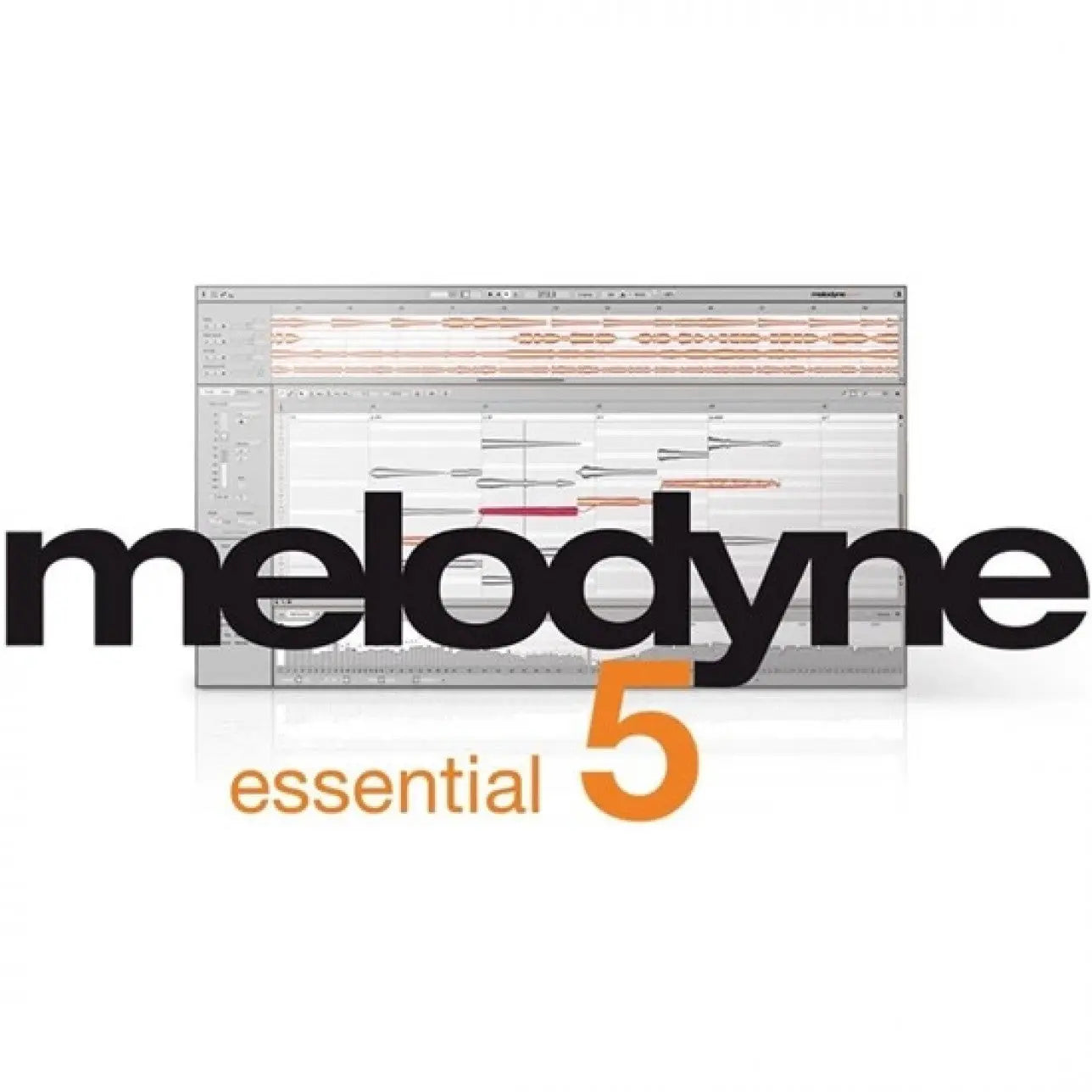
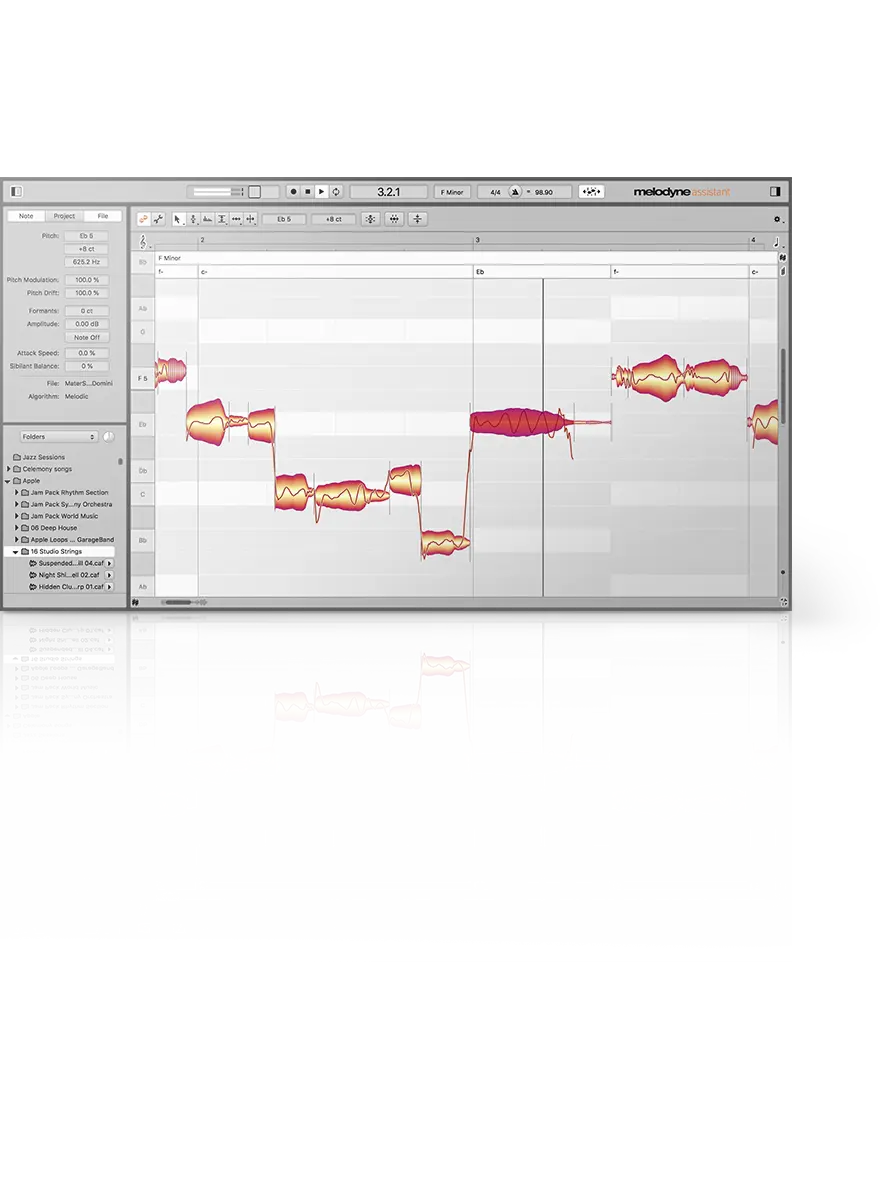
$199.00 AUDMelodyne edits pitch and timing in recorded audio. What separates it from everything else is DNA, or Direct Note Access, which pulls apart a chord into its individual notes so you can move one of them. No other tool does that properly.
Four editions, and the differences are clear once someone lays them out.
| Edition | What it does | |
|---|---|---|
| Essential | Pitch, timing and volume on monophonic material. Fixes a vocal. No scale tools, no formant control, no polyphonic editing. | |
| Assistant | Adds formant editing, note separation, scale and tuning tools, and the pitch drift control that makes correction sound natural. Still monophonic. | |
| Editor | Adds DNA polyphonic editing. Individual notes inside a guitar chord or piano part become editable. This is the reason Melodyne exists. | |
| Studio | Adds multi-track editing, tempo detection and editing, and sound design tools. For working across a whole session rather than one track. |
If you only tune vocals, buy Essential. It does the job and the extra $ to Assistant buys refinement you may never need.
If you want polyphonic editing, you need Editor. There is no way around it. DNA is the dividing line in this range, and it appears at the Editor tier and nowhere below. Do not buy Assistant hoping it will handle a guitar chord.
Studio is for engineers working across full sessions. Most people do not need it.
Celemony's upgrade pricing is genuinely good and most people miss it. Buying a fresh licence when an upgrade exists wastes hundreds of dollars.
Check which you need before ordering. Ask us if you are not sure and we will work it out from your licence.
Logic has Flex Pitch. Cubase has VariAudio. Studio One has Melodyne Essential built in. These handle straightforward vocal correction well.
Melodyne earns its place on three things: DNA polyphonic editing, which nothing else does; the quality of its algorithms on difficult material; and the way it handles timing and formants without artefacts. If your DAW's tools are producing warbling on a hard correction, that is the reason to move.
Melodyne runs as a plug-in in your DAW and also standalone via ARA integration, which is worth having. ARA gives it direct access to the audio file rather than a rendered copy, so editing is faster and non-destructive.
serial delivered by email. Melodyne runs on macOS and Windows, and licences activate through your myCelemony account.
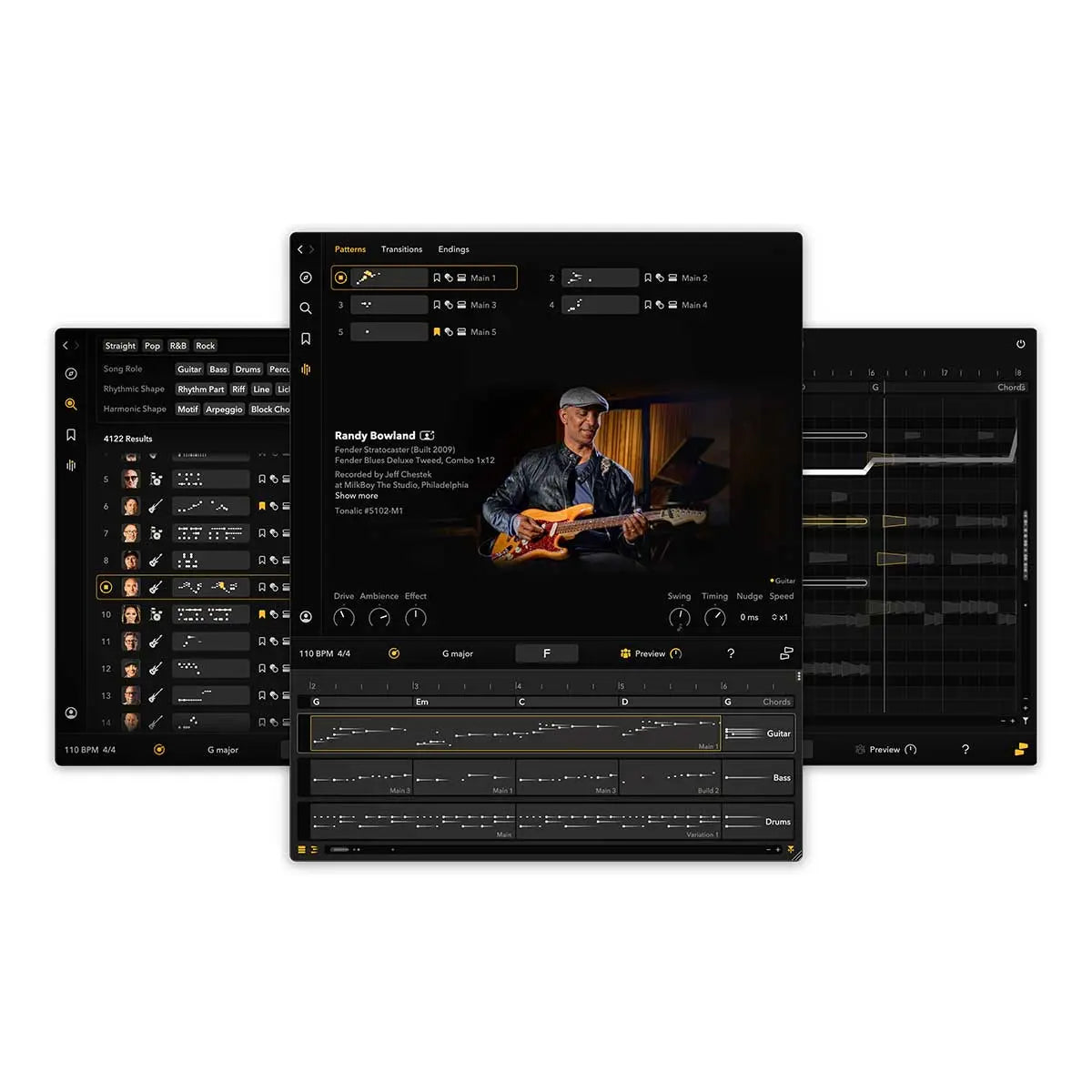
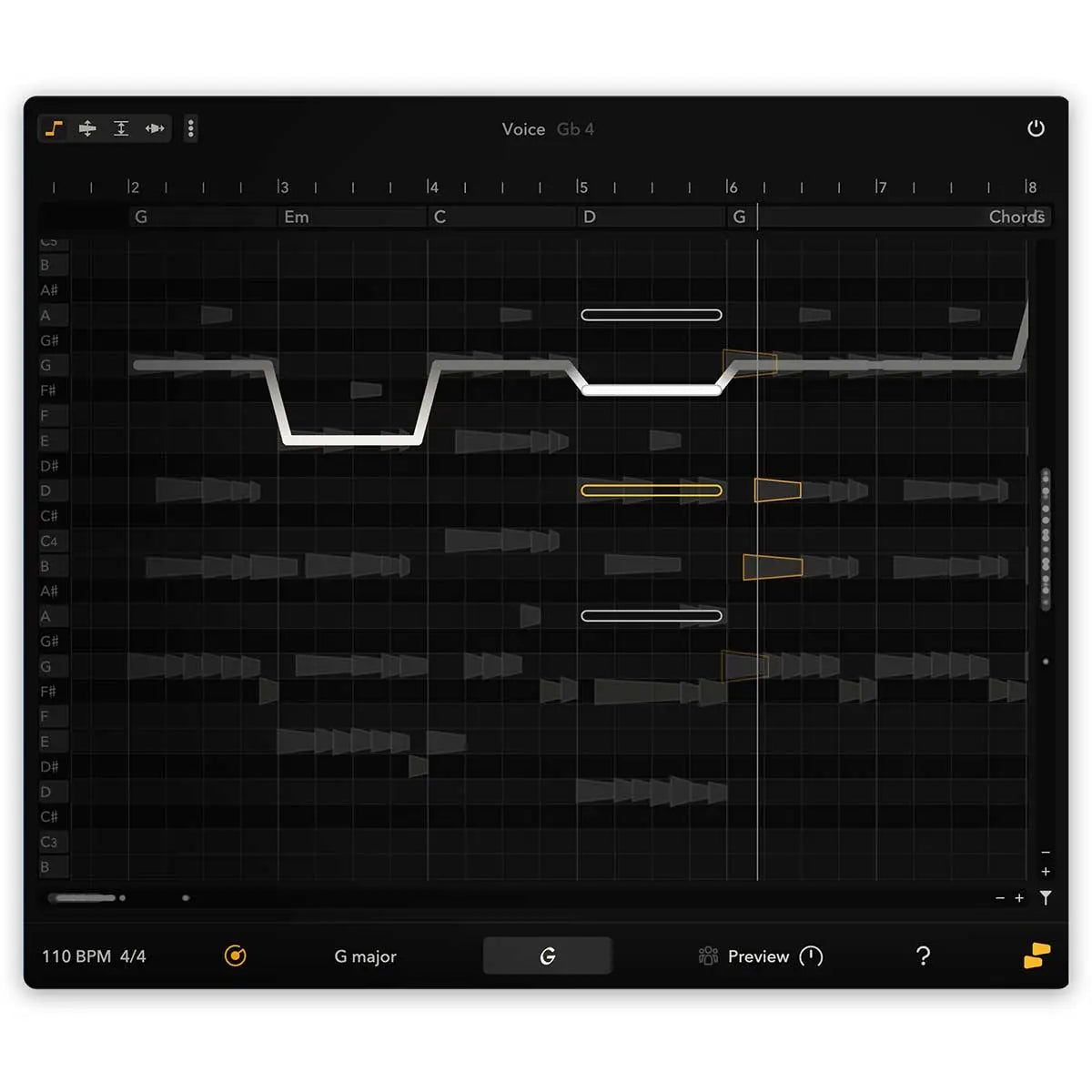
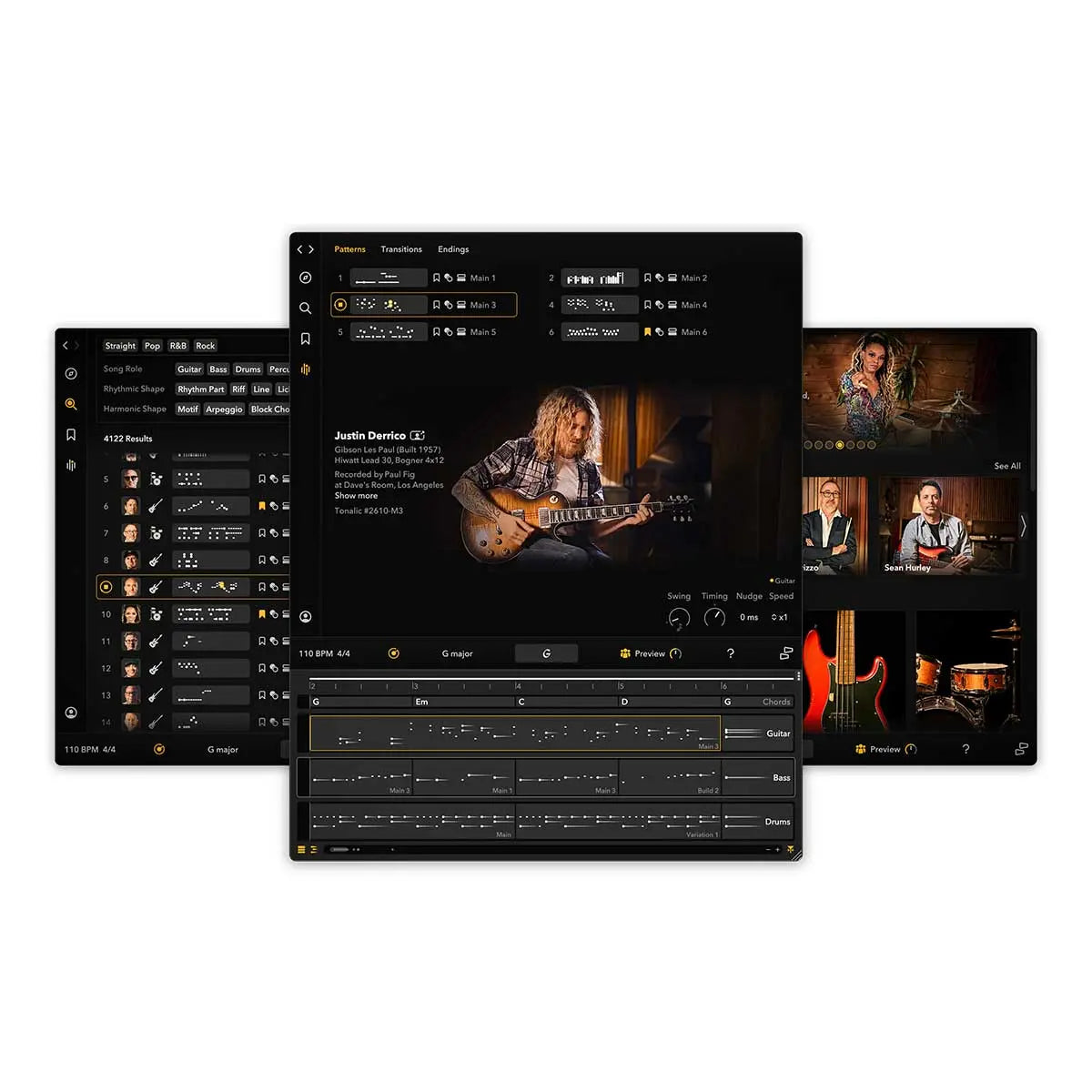
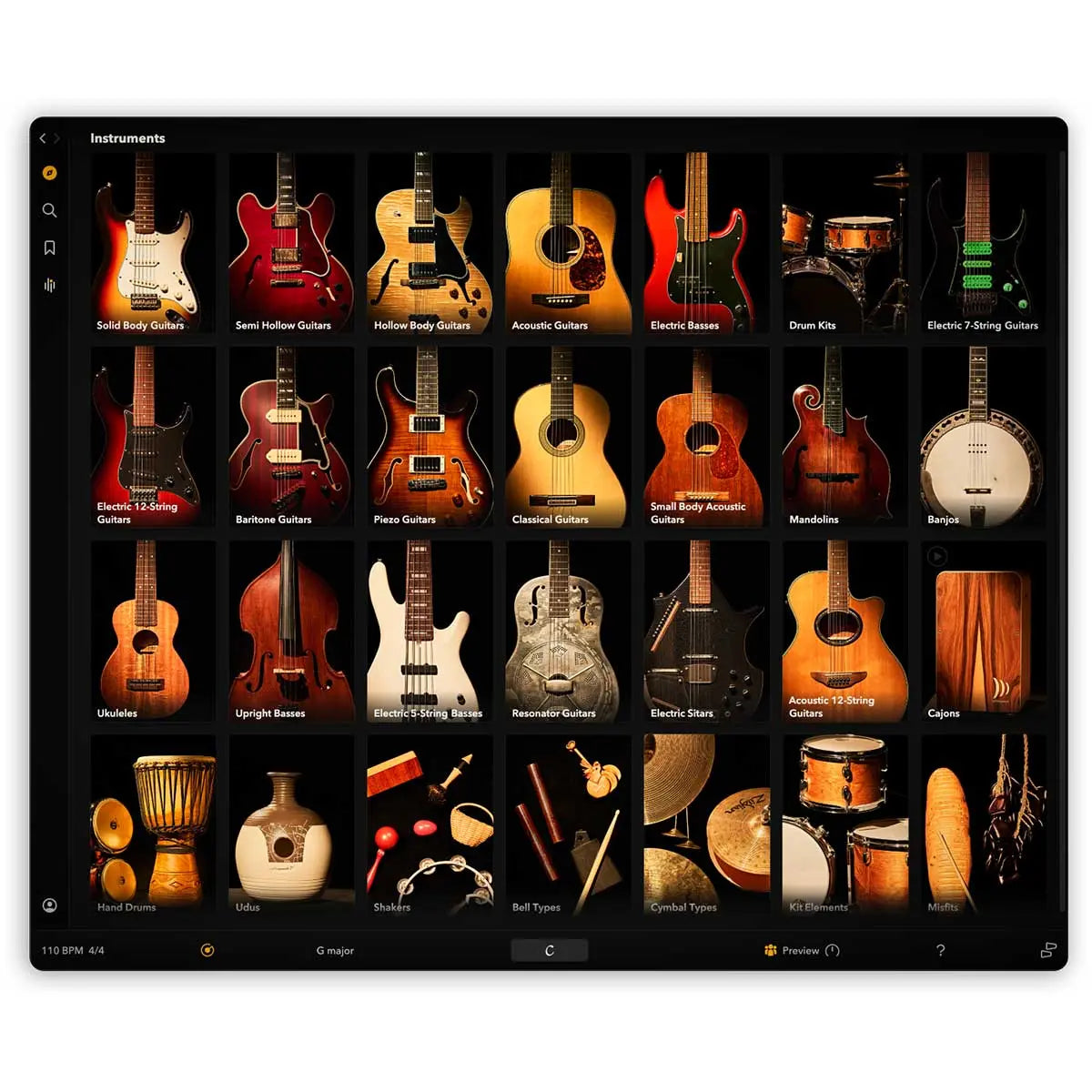
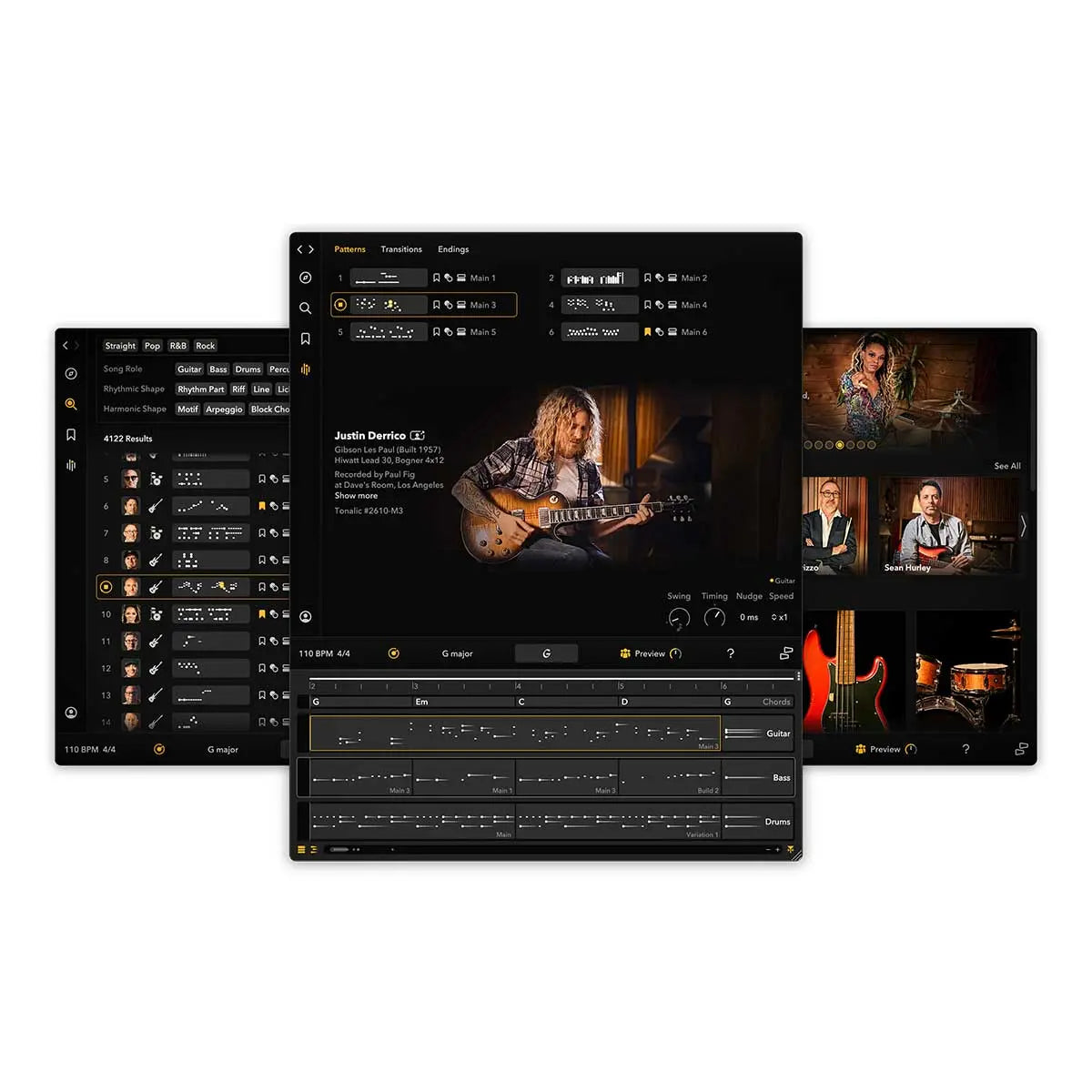
We also carry Celemony's Tonalic arranger tools, available as 30-day or annual prepaid access.
Essential handles pitch, timing and volume on single-note material. Assistant adds formant editing, scale tools and pitch drift control. Editor adds DNA polyphonic editing, which lets you edit individual notes inside chords. Studio adds multi-track editing and tempo manipulation.
Editor and Studio only. DNA Direct Note Access is the feature that separates individual notes inside polyphonic audio, and it does not appear in Essential or Assistant. If editing a guitar chord or piano part is why you are buying Melodyne, Editor is the minimum.
Yes, and the upgrade pricing is worth checking before you buy anything. Buying the entry version now costs you very little if you move up later.
They do different jobs. Auto-Tune corrects pitch in real time against a scale and is the tool for both transparent correction and the hard-tuned effect. Melodyne works offline on recorded audio with note-by-note editing, and handles timing and polyphonic material that Auto-Tune cannot touch. Many studios own both.
Not for routine vocal tuning. Logic's Flex Pitch, Cubase's VariAudio and Studio One's built-in Melodyne Essential all handle that. Buy Melodyne for polyphonic editing, or when your DAW's algorithms start producing artefacts on difficult material.
ARA lets Melodyne read the audio file directly rather than working on a rendered copy passed through the plug-in. It makes editing faster and keeps everything non-destructive. Supported in Studio One, Logic Pro, Cubase, Reaper and Pro Tools among others.
No. Licences activate through your myCelemony account, either to your computer or to a USB drive if you want portability.
By email as a serial number once your order is processed. Register it to a myCelemony account and download from there.